Travel photography is a beautiful way to capture special moments, explore new destinations, and share your experiences with others. Every destination has something unique to offer, from beautiful landscapes and historic buildings to colorful streets, local markets, and peaceful beaches. The right photography style can help you turn ordinary travel pictures into memorable photographs.
Exploring different travel photography styles also allows you to express your creativity and develop your photography skills. You do not always need an expensive camera or professional equipment to take attractive pictures. A smartphone, natural lighting, creative angles, and a little imagination can help you capture impressive travel photos.
Whether you enjoy photographing nature, architecture, city life, or people, trying different photography styles can make your pictures more interesting. In this guide, you will discover 15 unique travel photography styles that can inspire your next adventure and help your photos stand out.
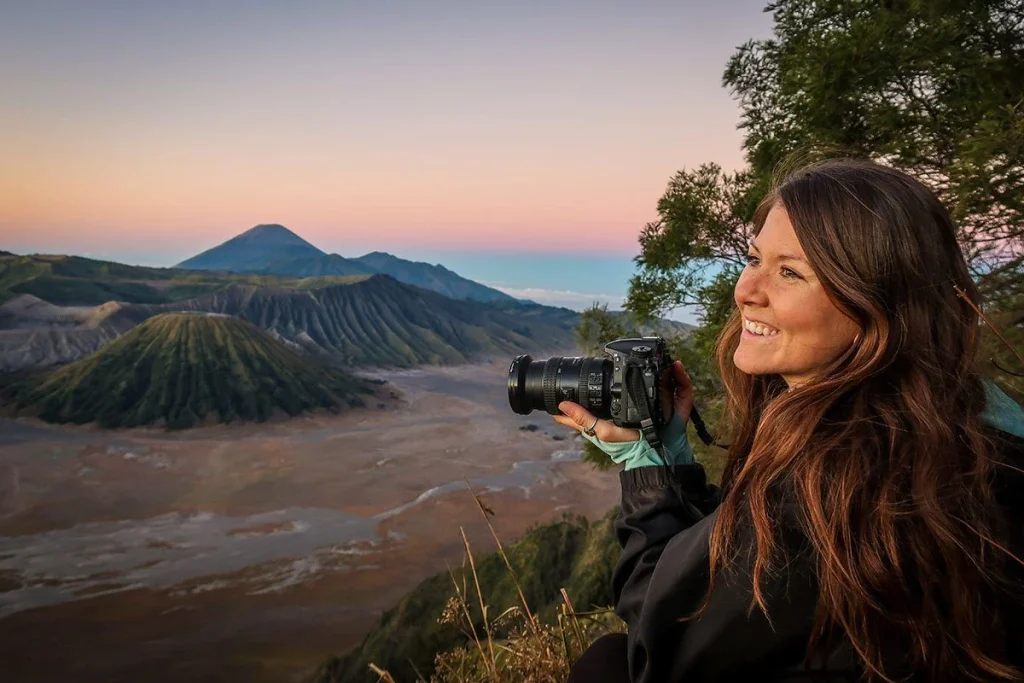
1. Landscape Travel Photography
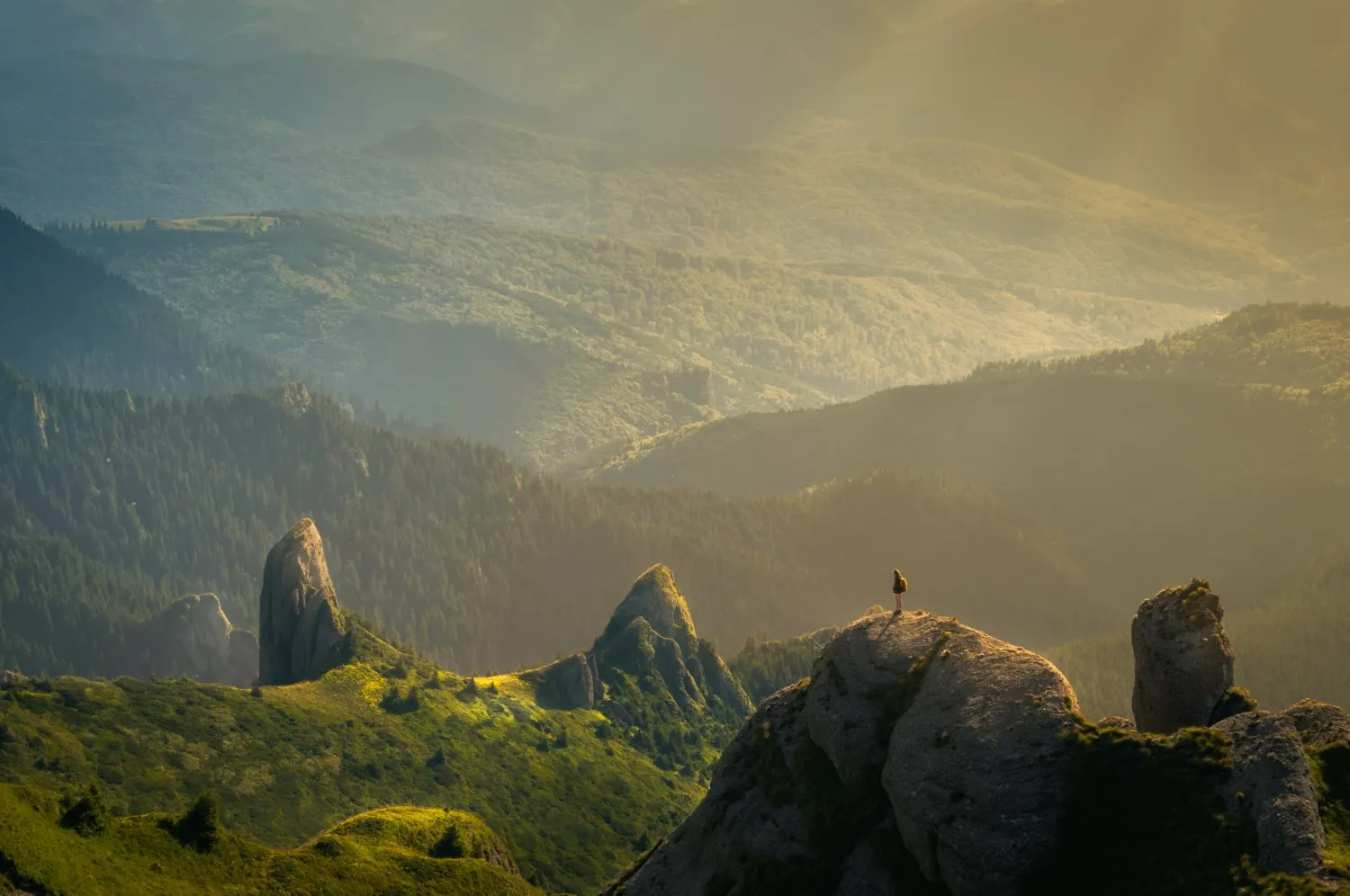
Landscape travel Photography is one of the most popular travel photography styles. It focuses on capturing the natural beauty of mountains, valleys, rivers, forests, beaches, and open fields.
This style is perfect for travelers who love exploring nature and peaceful destinations. Try taking pictures during sunrise or sunset because soft natural lighting can make landscapes look more beautiful.
Tips for Better Landscape Photos:
- Use a wide-angle camera setting.
- Include interesting objects in the foreground.
- Capture mountains, rivers, or trees from different angles.
- Use natural light for better colors.
- Keep your camera steady for clear pictures.
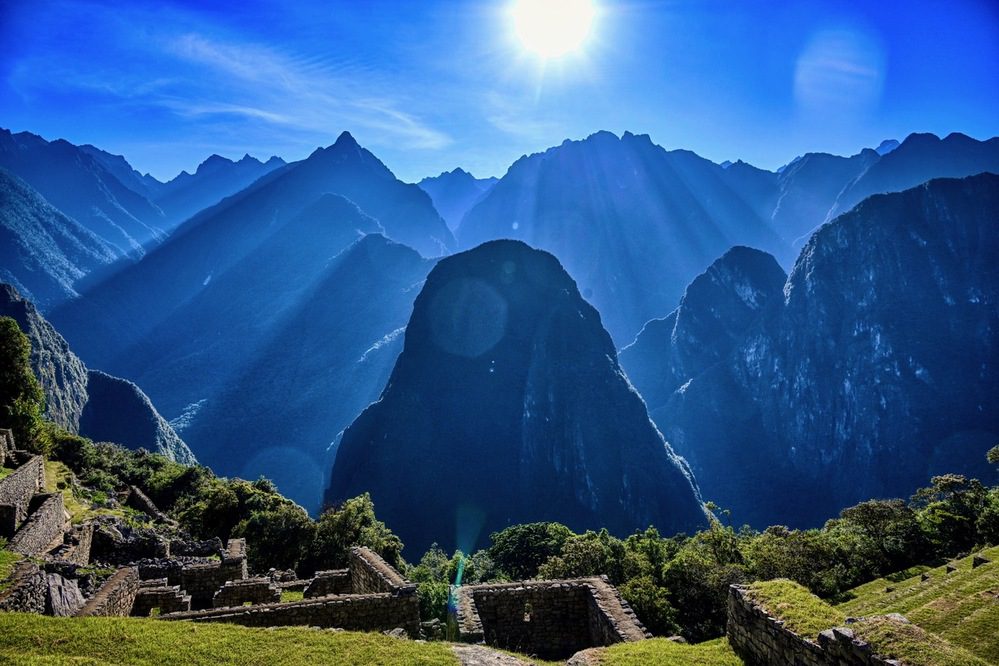
2. Street Travel Photography
Street photography captures the everyday life of people in different cities and towns. It includes busy streets, local markets, street food stalls, colorful buildings, and interesting public places.
This photography style helps tell stories about local culture and daily activities. You can capture natural moments while exploring a destination.
Tips for Street Photography:
- Look for colorful streets and interesting backgrounds.
- Capture natural moments without disturbing people.
- Experiment with different camera angles.
- Pay attention to lighting and shadows.
- Respect people’s privacy and local photography rules.
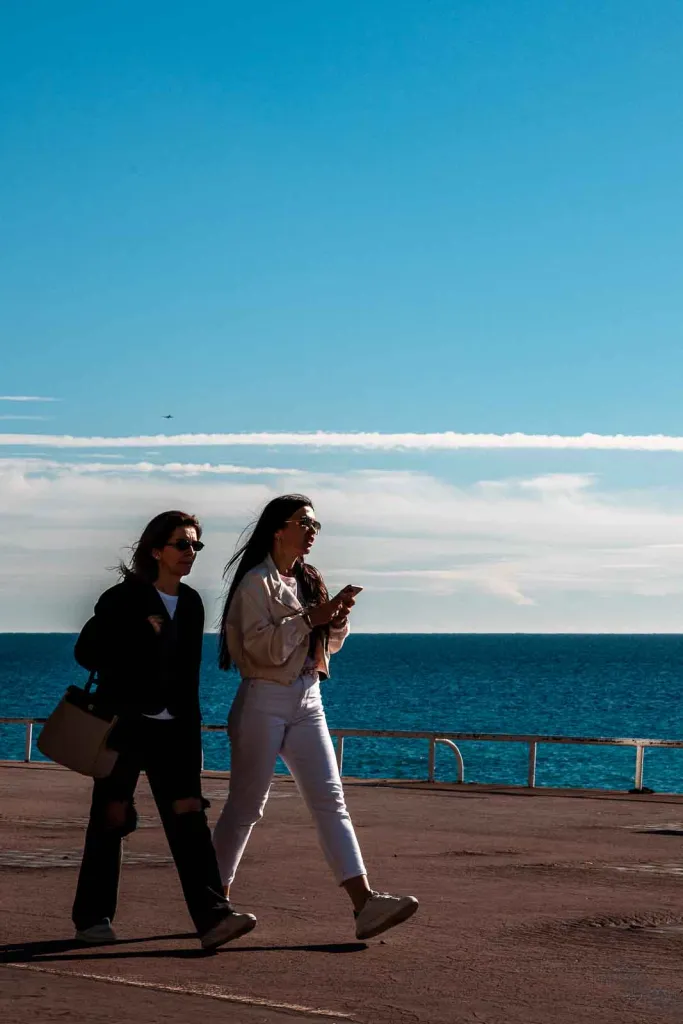
3. Minimalist Travel Photography
Minimalist travel photography focuses on simplicity. Instead of filling your picture with many objects, this style highlights one main subject with plenty of empty space around it.
For example, you can photograph a single boat on a quiet beach, a person walking through a desert, or a beautiful building against a clear sky.
Minimalist travel photos look clean, peaceful, and elegant. They are also excellent for travel blogs and social media posts.
Tips for Minimalist Photos:
- Choose one main subject.
- Avoid unnecessary objects in the background.
- Use simple colors and clean compositions.
- Experiment with empty spaces.
- Keep the photograph balanced.
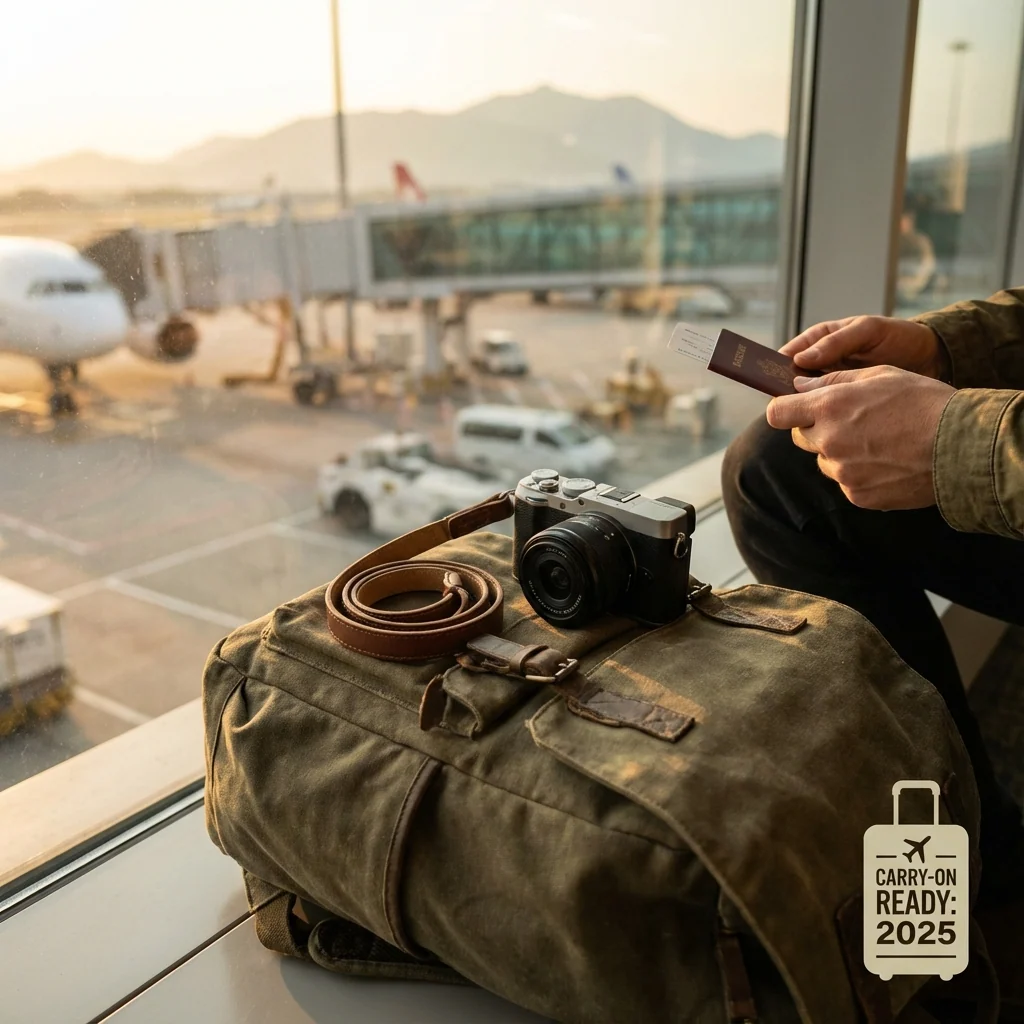
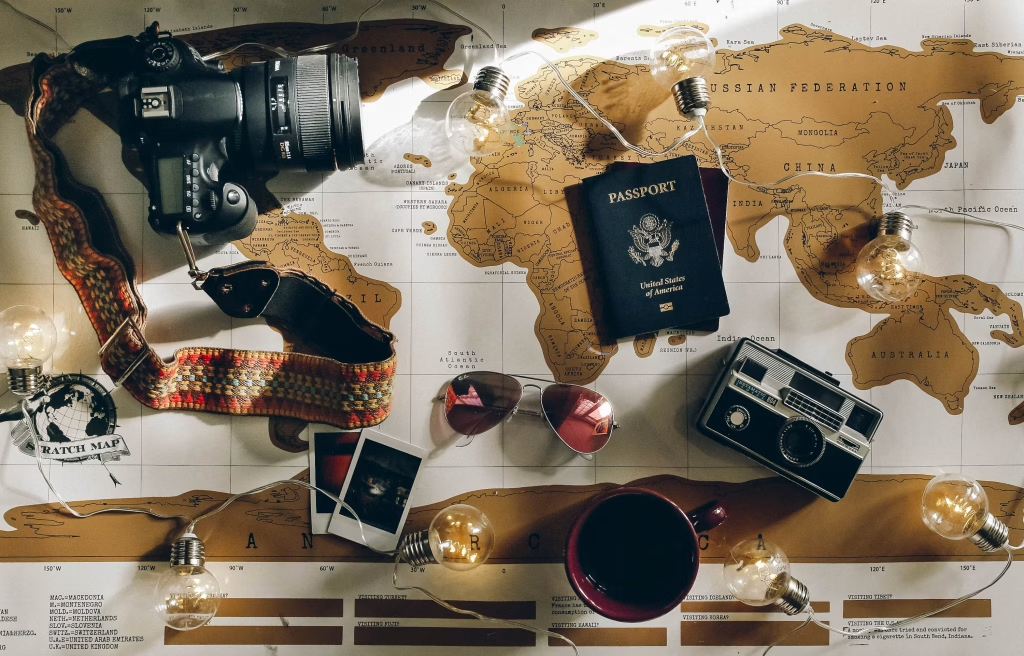
4. Aesthetic Travel Photography
Aesthetic travel photography focuses on beautiful colors, attractive compositions, and pleasing visual details. It is especially popular on Instagram, Pinterest, and travel blogs.
You can create aesthetic travel pictures by photographing beautiful cafés, coastal views, flowers, hotel rooms, old streets, and colorful destinations.
Try using warm tones, soft lighting, and natural backgrounds to create a consistent look.
Tips for Aesthetic Photography:
5. Adventure Travel Photography
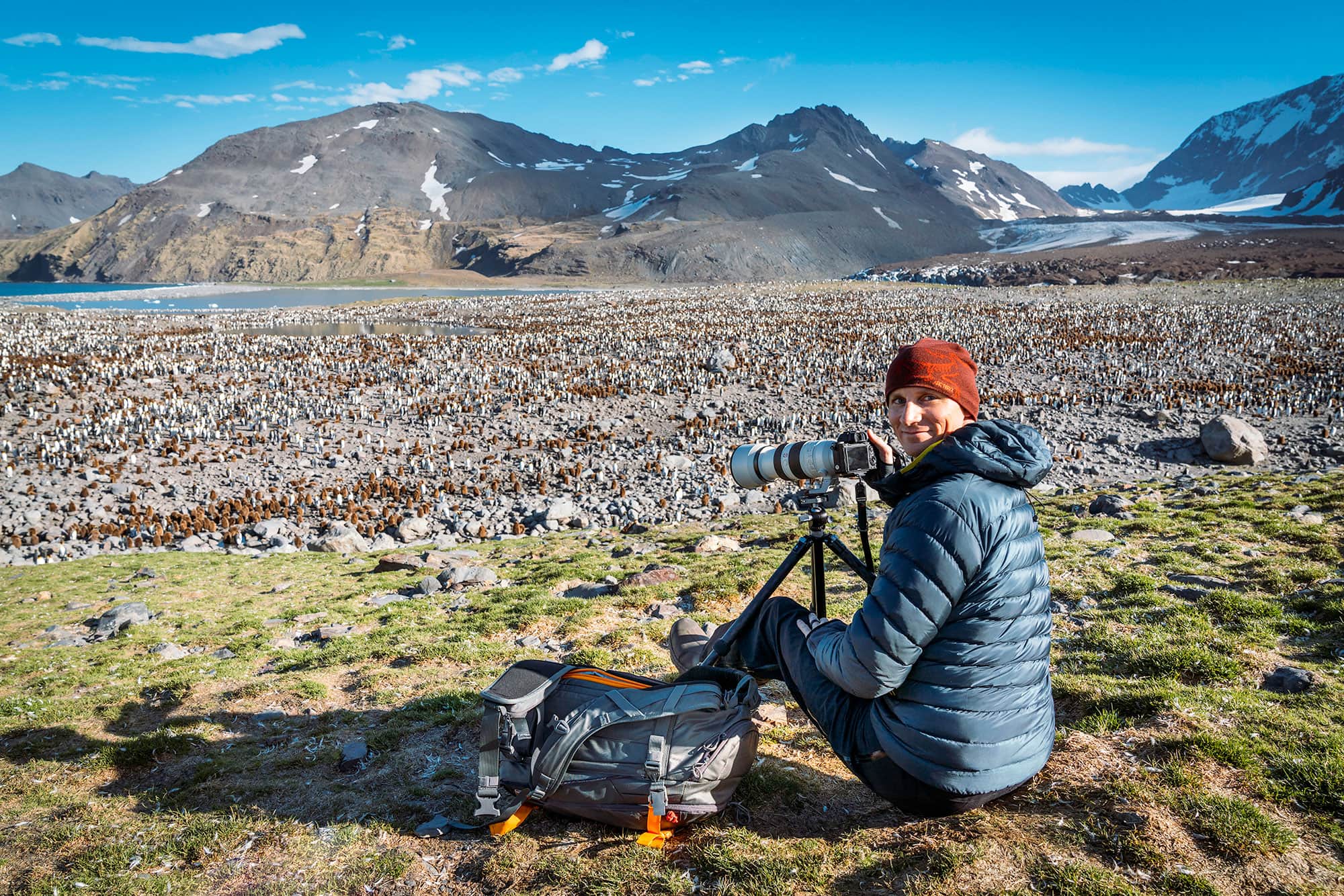
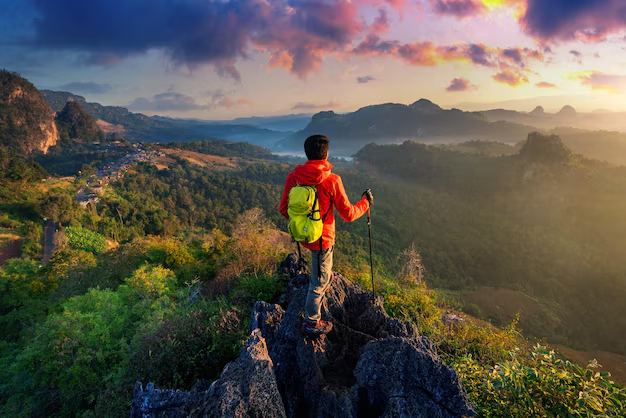
Adventure travel photography captures exciting travel experiences and outdoor activities. It includes hiking, camping, mountain climbing, cycling, kayaking, and exploring remote destinations.
This style is perfect for showing the excitement and energy of travel. Instead of photographing only the destination, capture yourself or other travelers enjoying the experience.
Tips for Adventure Photography:
- Capture action moments.
- Use a fast shutter speed when possible.
- Photograph beautiful outdoor surroundings.
- Keep your camera equipment protected.
- Prioritize safety while taking pictures.
6. Portrait Travel Photography
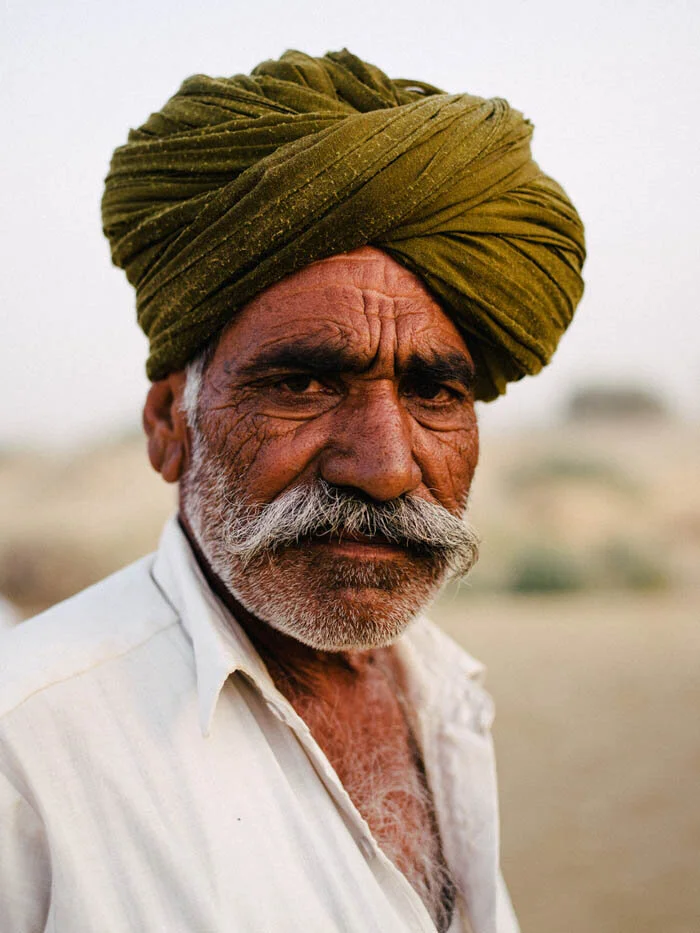
Portrait travel photography combines beautiful destinations with human expressions and emotions. It focuses on capturing people in natural surroundings.
You can take portraits while standing near historic buildings, walking through colorful streets, or enjoying beautiful mountain views.
This style adds a personal touch to travel photography and helps tell meaningful stories.
Tips for Portrait Photography
7. Golden Hour Travel Photography
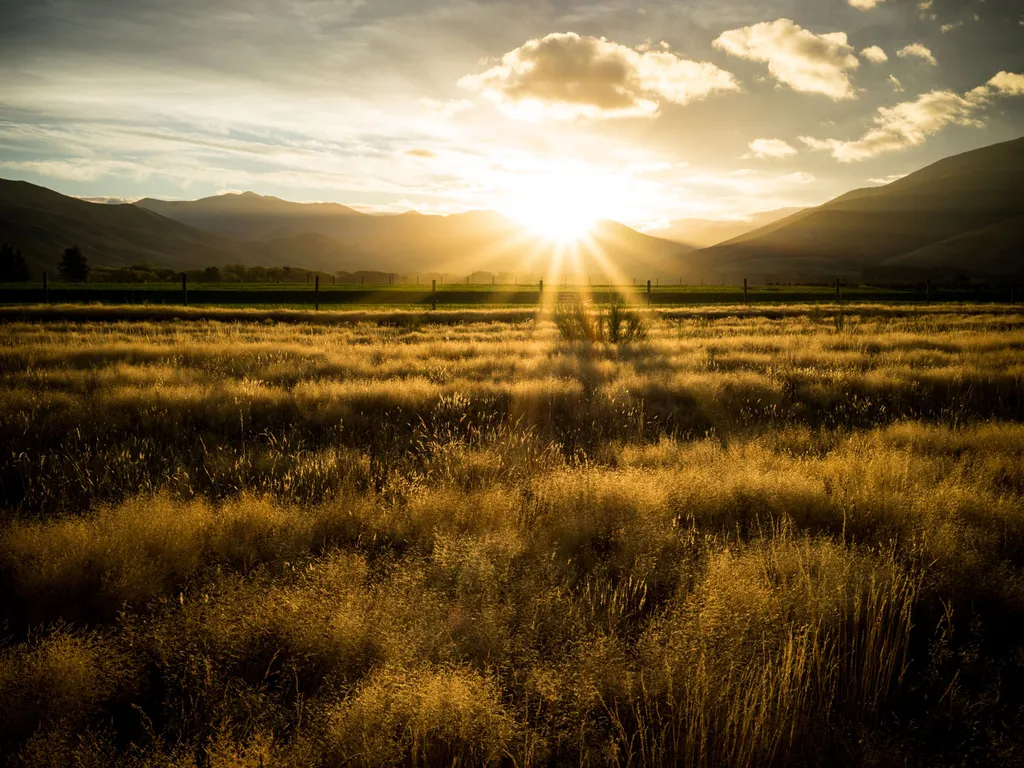
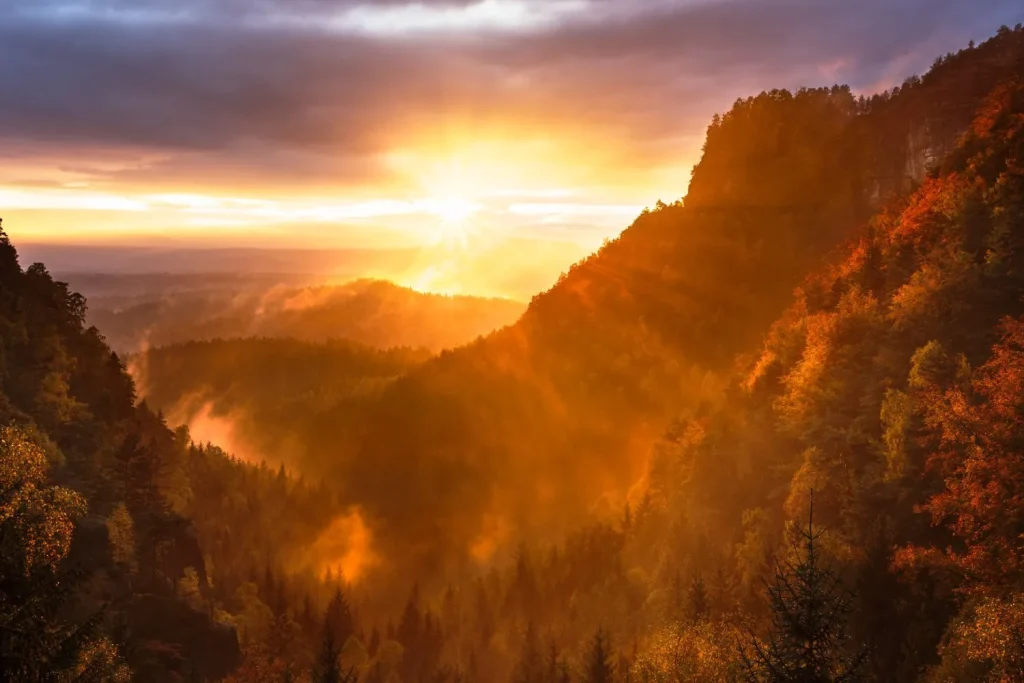
Golden hour travel photography involves taking pictures shortly after sunrise or before sunset. During these times, sunlight becomes softer and warmer, creating beautiful golden colors.
This lighting style works wonderfully for beaches, mountains, city streets, portraits, and landscapes.
Golden hour can make ordinary travel locations look more attractive without requiring complicated camera settings.
Tips for Golden Hour Photography:
- Plan your photography before sunrise or sunset.
- Face your subject toward the soft light when appropriate.
- Experiment with backlighting.
- Capture long shadows.
- Adjust exposure to avoid overly bright areas.
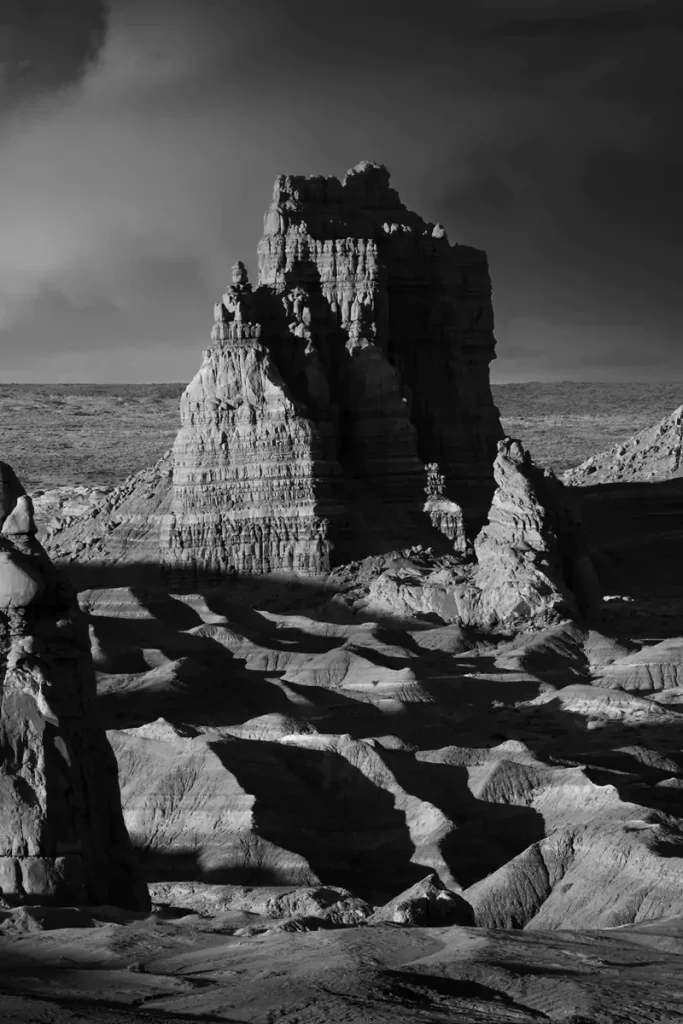
8. Black and White Travel Photography
Black and white travel photography removes color and focuses on contrast, texture, patterns, shapes, and emotions.
It works particularly well for historic buildings, old streets, architecture, portraits, and dramatic landscapes.
This photography style gives travel pictures a timeless and artistic appearance.
Tips for Black and White Photos:
- Look for strong light and shadows.
- Focus on interesting textures.
- Capture buildings and streets.
- Experiment with high contrast.
- Choose subjects with clear shapes and patterns.
9. Architectural Travel Photography
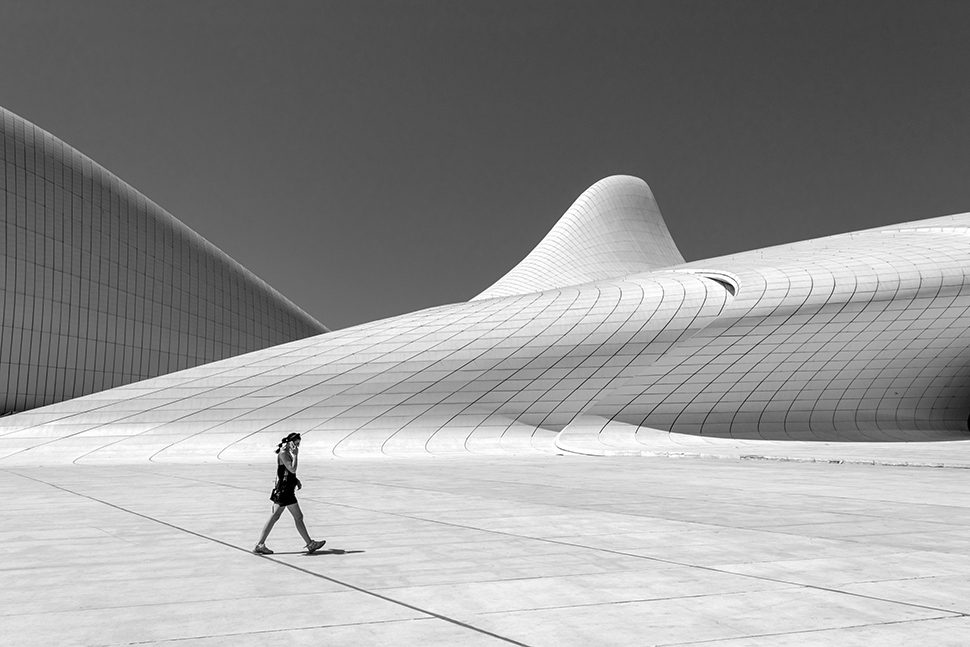
Architectural travel photography focuses on buildings, bridges, monuments, historic places, and modern structures.
Every destination has unique architectural features that reflect its history, culture, and design. Photographing these details can make your travel collection more interesting.
Try capturing entire buildings as well as smaller details such as doors, windows, balconies, and decorative patterns.
Tips for Architectural Photography:
- Look for unique building designs.
- Keep vertical lines as straight as possible.
- Experiment with symmetrical compositions.
- Photograph details and wide views.
- Visit popular locations during quieter hours.
10. Food and Travel Photography
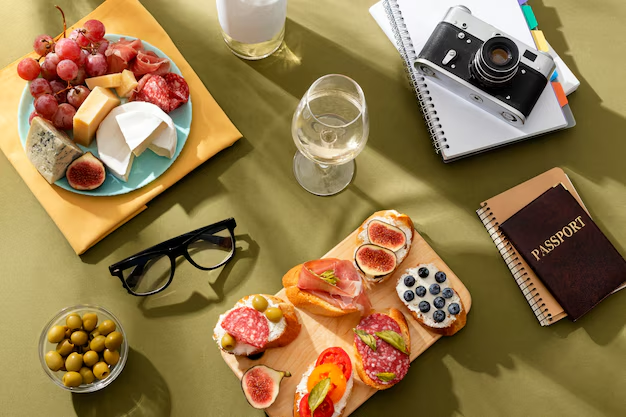
Food travel photography is a wonderful way to capture local culture through traditional dishes, street food, desserts, and restaurant experiences.
Every country and region has different food traditions. Photographing local meals can add another interesting dimension to your travel stories.
For better results, capture food near a window or in soft natural light.
Tips for Food Photography:
- Capture colorful local dishes.
- Photograph food from different angles.
- Use simple backgrounds.
- Focus on the details and textures.
- Include local surroundings when they add context.
11. Drone Travel Photography
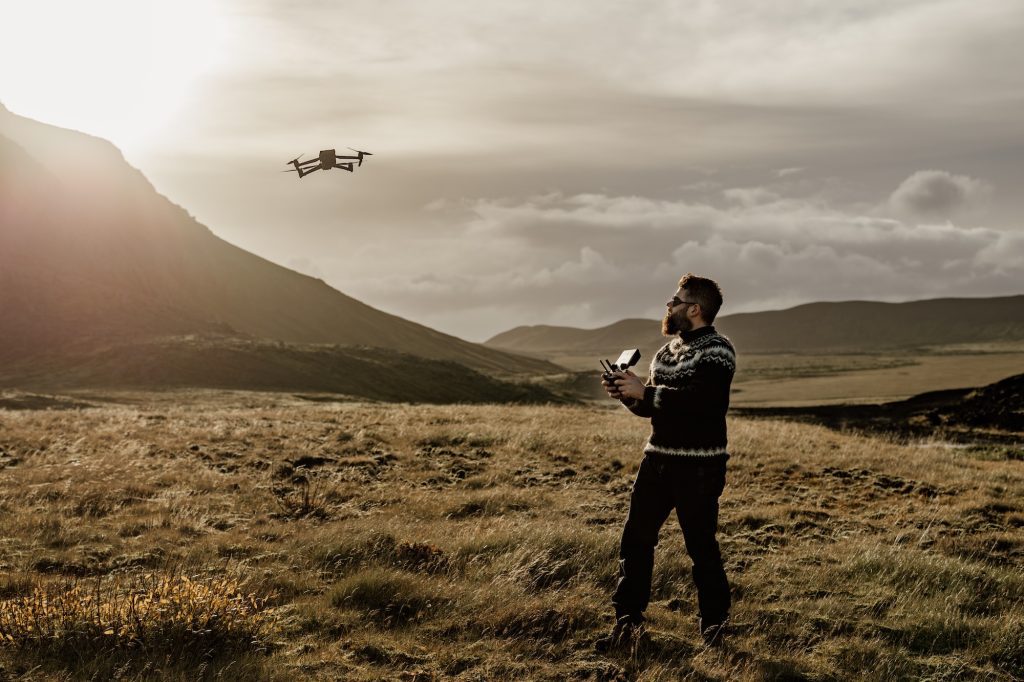
Drone photography provides a unique aerial view of destinations. It allows photographers to capture beaches, mountains, forests, roads, islands, and large landscapes from above.
Aerial photographs can reveal patterns and shapes that are difficult to notice from the ground.
However, always check local drone regulations, restricted areas, and safety requirements before flying.
Tips for Drone Photography:
- Choose clear weather conditions.
- Capture interesting natural patterns.
- Experiment with different heights.
- Keep the horizon balanced.
- Follow local drone laws and privacy rules.
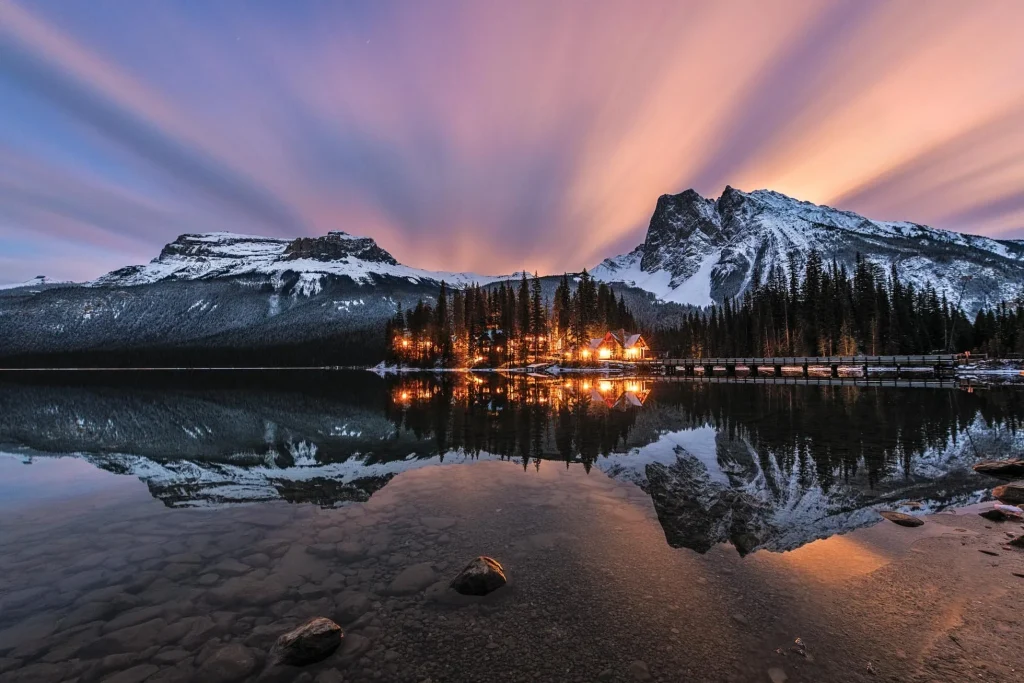
12. Reflection Travel Photography
Reflection photography uses water, glass, mirrors, and other reflective surfaces to create interesting compositions.
You can photograph mountains reflected in lakes, colorful buildings reflected in puddles, or city lights reflected in windows.
This style creates a balanced and creative appearance that can make your travel pictures stand out.
Tips for Reflection Photography:
- Look for calm water surfaces.
- Capture reflections after rainfall.
- Experiment with symmetrical compositions.
- Try different camera angles.
- Avoid unnecessary distractions.
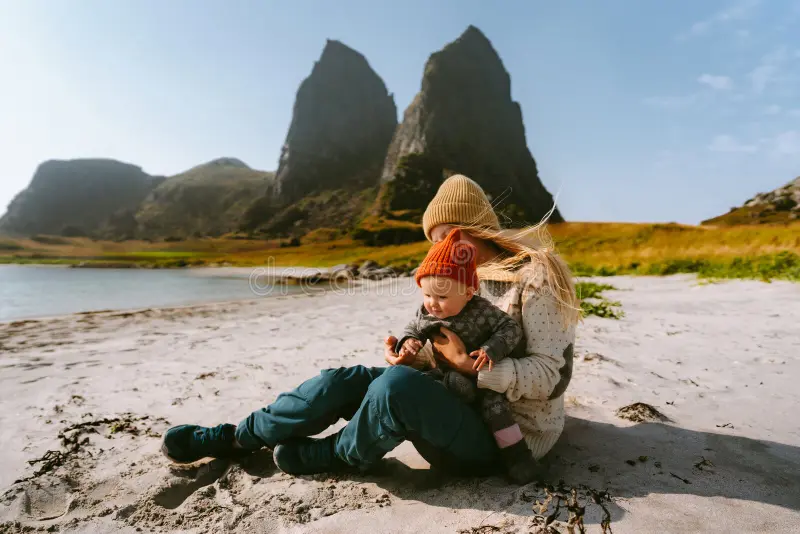
13. Candid Travel Photography
Candid photography captures natural moments without asking people to pose. It focuses on genuine expressions, emotions, and everyday activities.
You can capture friends enjoying a trip, travelers exploring a market, or people watching a beautiful sunset.
This style makes photographs feel natural and full of life. Always respect people’s privacy and obtain permission when appropriate.
Tips for Candid Photography:
- Keep your camera ready.
- Observe interesting moments.
- Use natural lighting.
- Avoid interrupting the activity.
- Focus on genuine emotions.
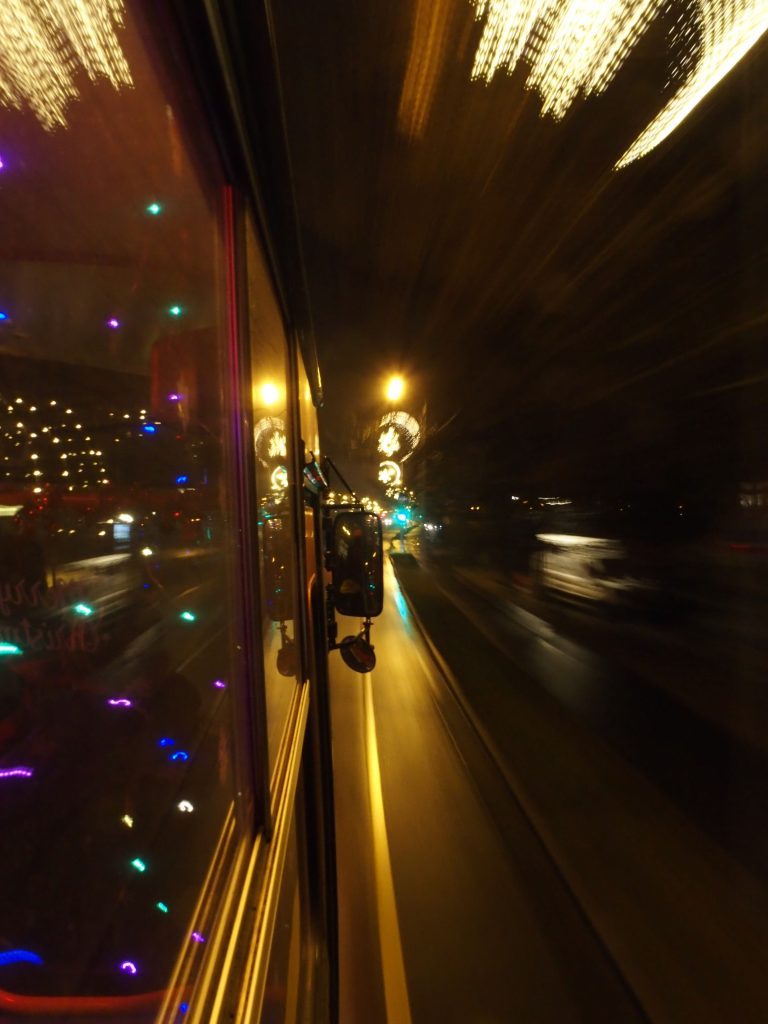
14. Night Travel Photography
Night photography captures destinations after sunset. It includes city lights, illuminated buildings, night markets, bridges, and beautiful evening streets.
This style can create dramatic and colorful travel pictures. A tripod or stable surface can help you capture clearer photographs in low-light conditions.
Tips for Night Photography:
- Use a stable camera position.
- Experiment with longer exposure times.
- Focus on illuminated buildings.
- Avoid excessive digital zoom.
- Adjust ISO and exposure according to lighting conditions.
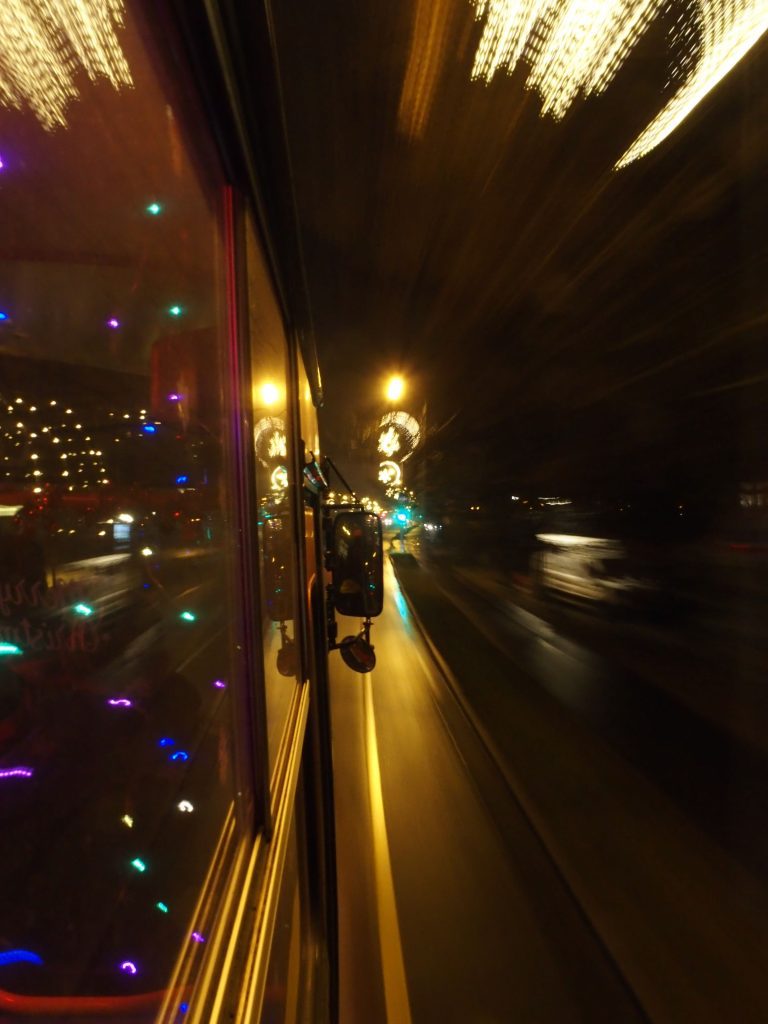
15. Detail and Close-Up Travel Photography
Close-up photography focuses on small details that travelers often overlook. These can include colorful flowers, traditional decorations, local crafts, food textures, handmade jewelry, and architectural patterns.
This style adds variety to your travel photography collection and helps tell a more complete story about a destination.
Tips for Close-Up Photography:
- Focus on interesting textures.
- Capture traditional objects and decorations.
- Use a clean background.
- Experiment with natural light.
- Keep the main subject sharp.
Comparison Table: Different Travel Photography Styles
| Photography Style | Best Subjects | Best Time |
|---|---|---|
| Landscape | Mountains and beaches | Sunrise or sunset |
| Street | Markets and city life | Morning or afternoon |
| Minimalist | Simple scenes | Any time |
| Aesthetic | Cafés and colorful places | Soft daylight |
| Adventure | Outdoor activities | Daytime |
| Portrait | People and expressions | Golden hour |
| Golden Hour | Landscapes and portraits | Sunrise or sunset |
| Black and White | Architecture and textures | Any time |
| Architectural | Buildings and monuments | Morning |
| Food | Local dishes | Daytime |
| Drone | Aerial landscapes | Daytime |
| Reflection | Lakes and glass surfaces | Early morning |
| Candid | Natural moments | Daytime |
| Night | City lights | After sunset |
| Close-Up | Small details | Soft daylight |
Essential Equipment for Better Travel Photography
You do not need expensive equipment to improve your travel photography. A few useful accessories can make capturing pictures easier.
1. Smartphone or Camera
A good smartphone camera is enough for many travel photography styles. If you have a digital camera, learn how to use its basic settings.
2. Tripod
A lightweight tripod helps you capture stable photographs, especially during night photography and long exposures.
3. Extra Battery
Carry an extra battery or a power bank so you do not miss important photography opportunities.
4. Memory Card
If you use a digital camera, bring enough storage space for your travel pictures and videos.
5. Camera Bag
A protective camera bag keeps your equipment organized and safe while traveling.
How to Make Your Travel Photos Stand Out
Taking beautiful travel photographs is not only about having a good camera. Creativity, composition, lighting, and timing also play important roles.
Here are some practical ways to improve your pictures:
- Try Different Angles: Photograph the same location from different positions to discover interesting compositions.
- Use Natural Light: Soft daylight can improve the appearance of your pictures.
- Follow the Rule of Thirds: Place your main subject slightly away from the center to create a balanced composition.
- Capture Local Culture: Include traditional food, markets, clothing, and architecture.
- Avoid Too Much Editing: Keep colors natural and avoid excessive filters.
- Tell a Story: Capture wide shots, portraits, and small details to show the complete travel experience.
- Practice Regularly: Experiment with different styles whenever you visit a new place.
Common Travel Photography Mistakes to Avoid
Even beautiful destinations can produce disappointing photographs if you overlook some basic photography techniques.
- Taking every picture from the same angle.
- Ignoring lighting conditions.
- Using too many filters during editing.
- Keeping unnecessary objects in the background.
- Forgetting to clean the camera lens.
- Taking pictures without checking the composition.
- Ignoring local photography rules and people’s privacy.
Avoiding these mistakes can help you develop better photography skills and capture more attractive travel memories.
Frequently Asked Questions (FAQs)
1. What are the most popular travel photography styles?
Some popular styles include landscape, street, portrait, aesthetic, adventure, architectural, food, and golden hour photography. Each style offers a different way to capture travel experiences.
2. How can beginners improve their travel photography?
Beginners can improve by practicing regularly, learning basic composition, using natural light, experimenting with different angles, and exploring different photography styles.
3. Can I take beautiful travel photos with my smartphone?
Yes. Modern smartphones can capture beautiful travel photographs. Use good lighting, clean your camera lens, avoid excessive zoom, and experiment with different camera settings.
4. What is the best time for travel photography?
Sunrise and sunset are excellent times because the light is usually softer and warmer. However, the best time depends on the photography style and location.
5. What equipment do I need for travel photography?
A smartphone or camera, tripod, power bank, extra battery, memory card, and protective camera bag are useful travel photography accessories.
6. How do I make my travel pictures look professional?
Focus on composition, lighting, camera stability, and natural editing. Try different photography styles and avoid distracting backgrounds.
7. Which travel photography style is best for Instagram?
Aesthetic, landscape, golden hour, minimalist, and street photography styles are popular choices for creating attractive Instagram travel pictures.
8. Why is travel photography important?
Travel photography helps preserve memories, document different cultures, capture beautiful destinations, and share travel experiences with other people.
Conclusion
Exploring different travel photography styles is a great way to improve your creativity and capture unforgettable travel memories. From beautiful landscapes and colorful streets to architectural details and nighttime city views, every style offers a unique way to tell a story through pictures.
You do not need professional equipment or advanced photography skills to get started. Begin with your smartphone, experiment with natural lighting, and practice different angles and compositions. Over time, you will discover the photography styles that match your creativity and interests.
Try these 15 unique travel photography styles on your next adventure and turn your everyday travel moments into beautiful photographs worth sharing.