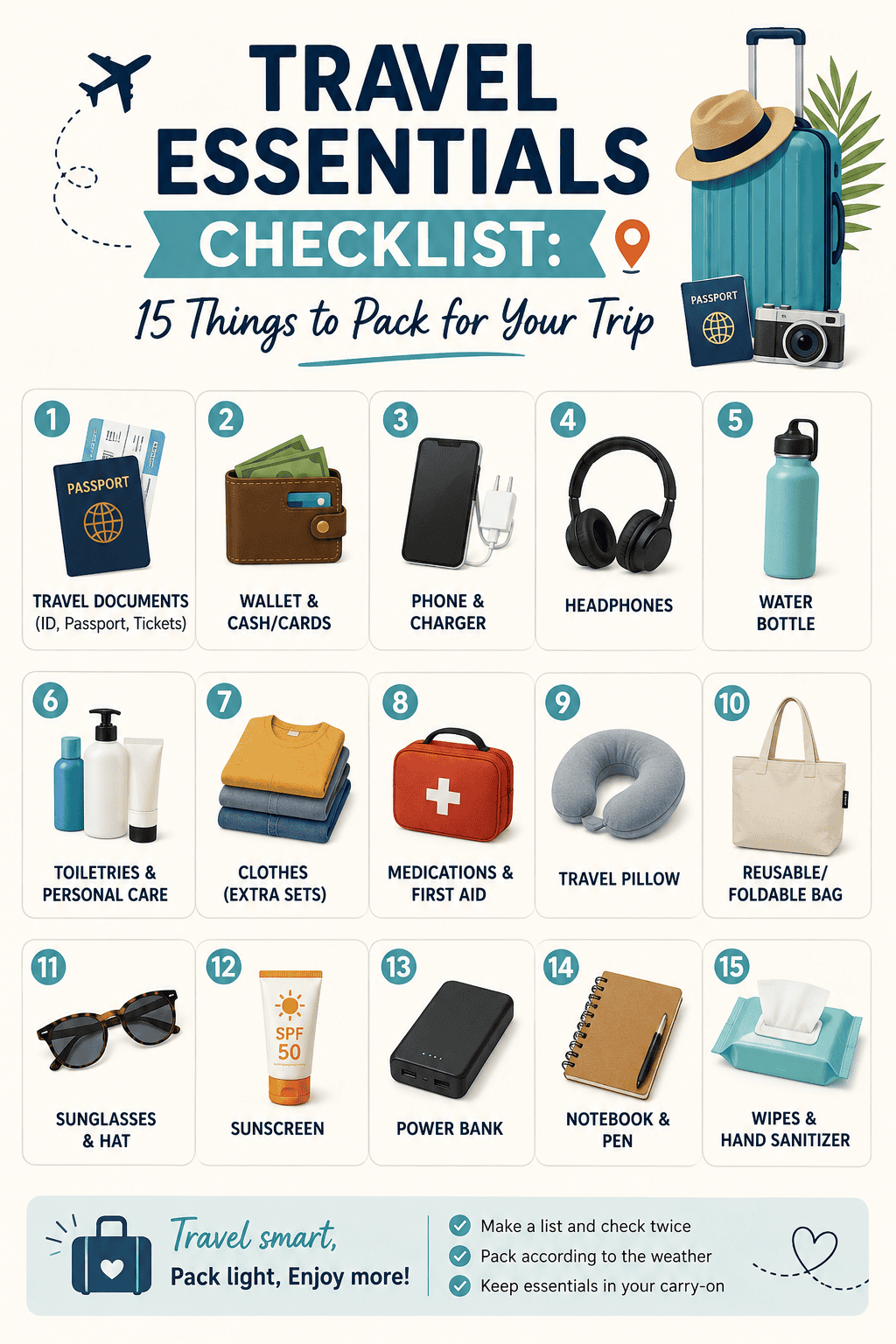
Traveling is one of the best ways to explore new destinations, experience different cultures, taste delicious food, and create unforgettable memories. Whether you are planning a weekend getaway, a family vacation, a business trip, or an international adventure, packing the right items can make your journey easier and more comfortable. However, forgetting important belongings can create unnecessary stress, unexpected expenses, and delays during your trip.
A well-prepared packing list helps you organize your luggage, save space, and carry everything you need without overpacking. From essential travel documents and comfortable clothing to personal care products and electronic accessories, every item has a purpose. Choosing practical and lightweight products can also make moving between airports, hotels, and tourist attractions much easier.
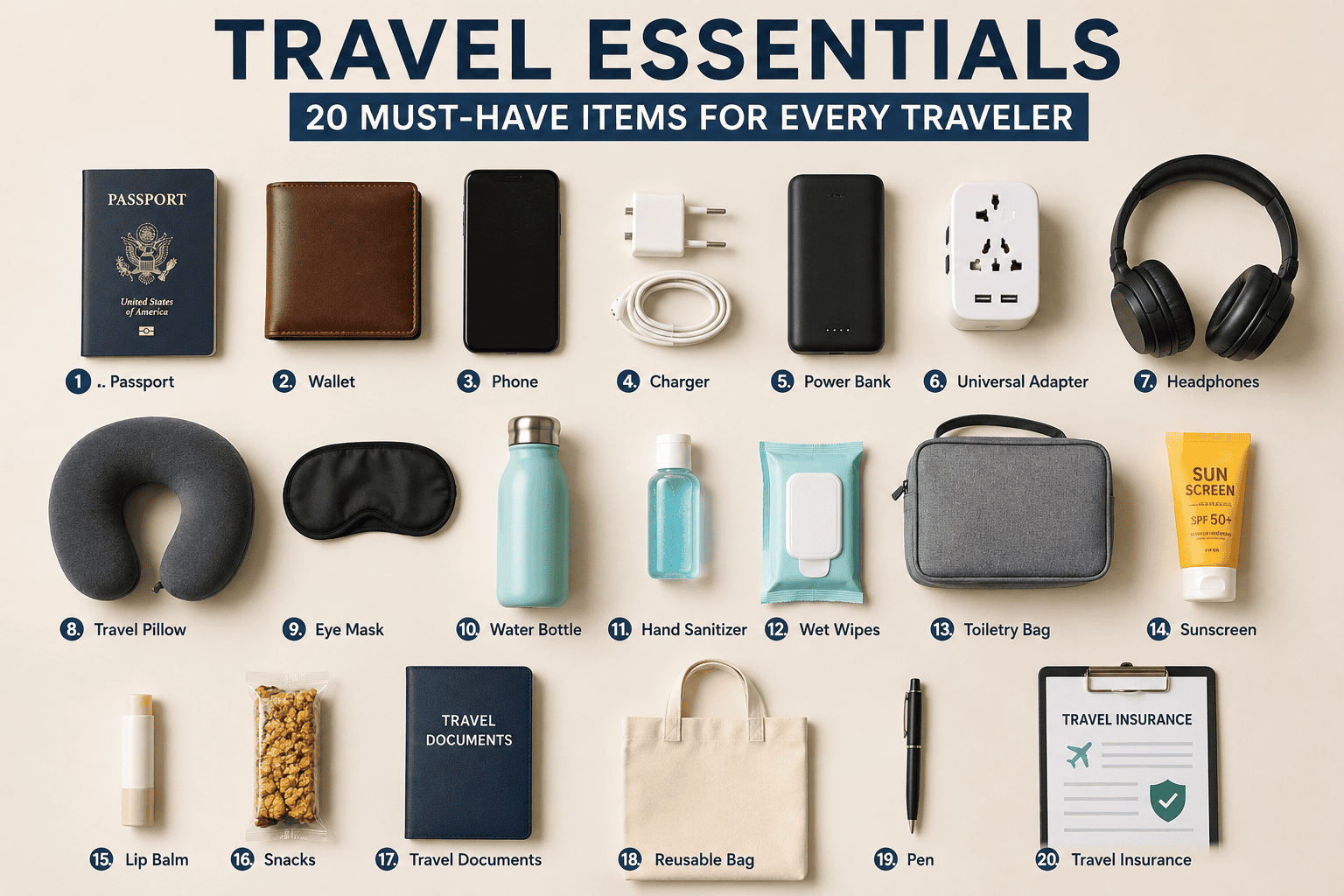
In this guide, we will explore 20 must-have travel essentials for every traveler. You will learn what to pack, why each item matters, and how to prepare for a comfortable, organized, and enjoyable journey.
Why Are Travel Essentials Important?
Travel essentials help you prepare for different situations during your journey. They keep your belongings organized, support your comfort, and reduce the chances of forgetting something important.
Packing thoughtfully also helps you avoid carrying unnecessary items. Instead of filling your suitcase with everything you own, focus on the belongings you genuinely need for your destination, weather, activities, and length of stay.
Here are some important benefits of preparing a travel essentials checklist:
- Better organization: Keep your important belongings in designated places.
- Less travel stress: Prepare in advance instead of rushing at the last minute.
- Improved comfort: Carry suitable clothing, personal care items, and travel accessories.
- Fewer unexpected expenses: Avoid buying forgotten necessities at expensive tourist locations.
- More luggage space: Choose versatile items and avoid unnecessary packing.
20 Must-Have Travel Essentials for Every Traveler
1. Travel Documents and Identification
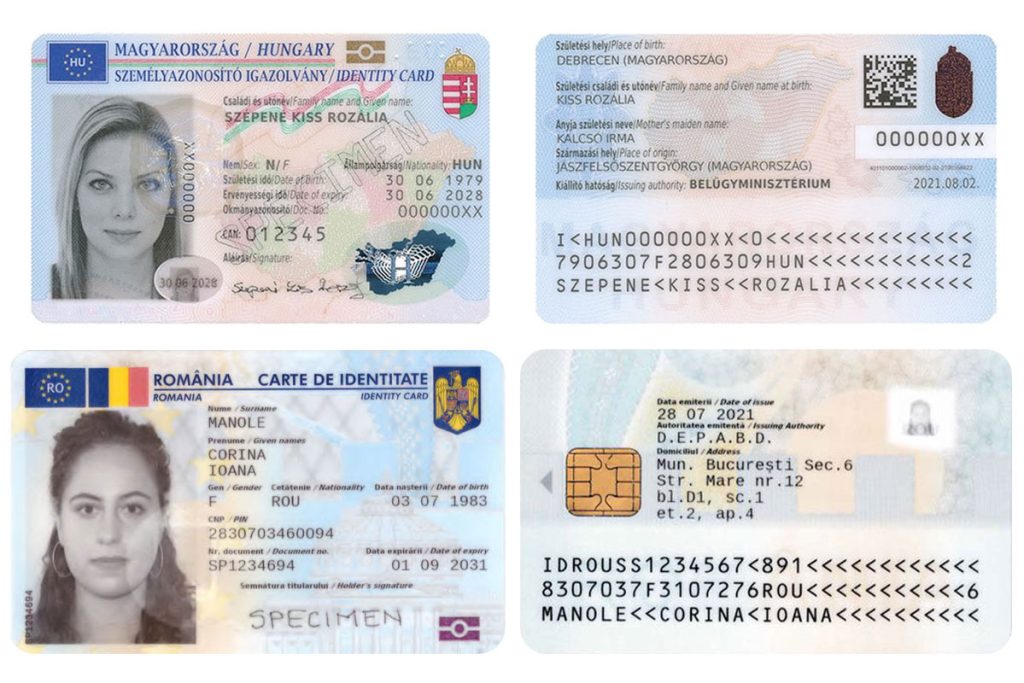
Travel documents are among the most important travel essentials because you may need them throughout your journey. Depending on your destination, these documents can include your passport, national identification card, visa, flight tickets, hotel reservations, travel insurance information, and other required paperwork.
Before leaving home, check that your documents are valid and that your name and travel details are correct. Keep essential documents in a secure travel organizer or a protected section of your personal bag.
It is also helpful to keep secure digital copies of important documents. Digital copies can support your preparation if a document is lost, although they do not replace original documents when officials require them.
2. A Suitable Travel Backpack or Suitcase
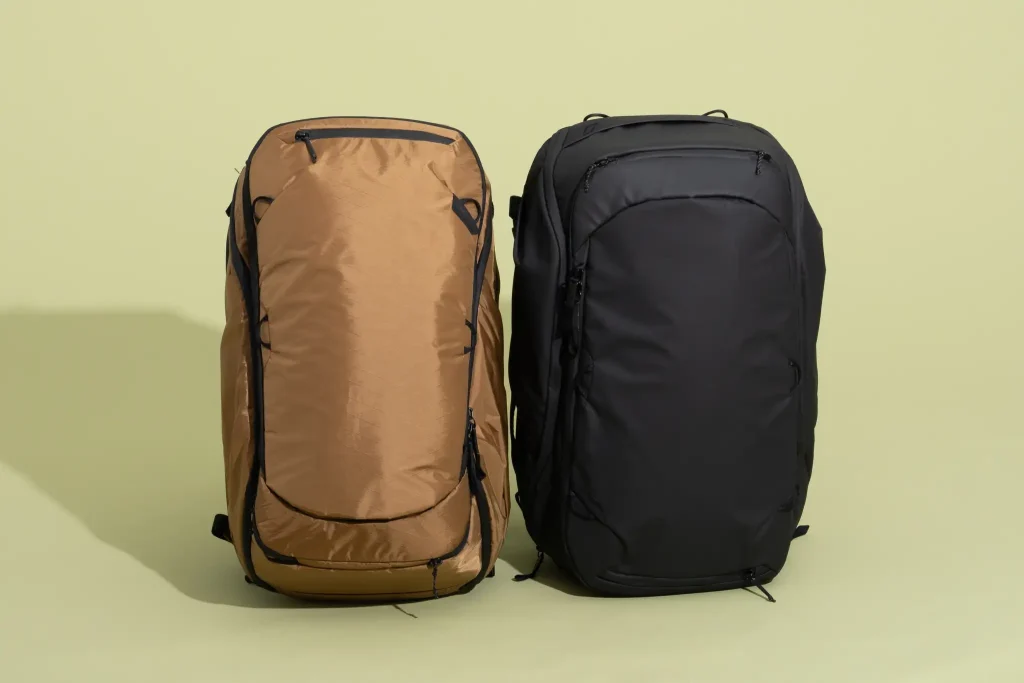
A reliable backpack or suitcase makes carrying your belongings much easier. The right choice depends on your travel style, destination, and the amount of luggage you need.
A lightweight backpack is useful for short trips, sightseeing, and carrying daily necessities. A suitcase with durable wheels may be more practical for longer vacations or trips that require several clothing changes.
Choose luggage with strong zippers, comfortable handles, and enough compartments to keep your belongings organized. Check your airline’s current baggage size and weight limits before packing.
3. Comfortable Travel Clothing
Comfortable clothing is essential for enjoying long journeys and exploring new places. Choose outfits that suit the local weather, cultural expectations, and activities planned for your trip.
Lightweight shirts, comfortable trousers, breathable fabrics, and versatile layers are useful for many destinations. For colder locations, pack sweaters, thermal layers, or a suitable jacket. For warmer climates, breathable clothing and sun-protective accessories can help you stay comfortable.
Try to select clothing pieces that coordinate with one another. This makes it easier to create multiple outfits without packing too many items.

4. Comfortable Walking Shoes
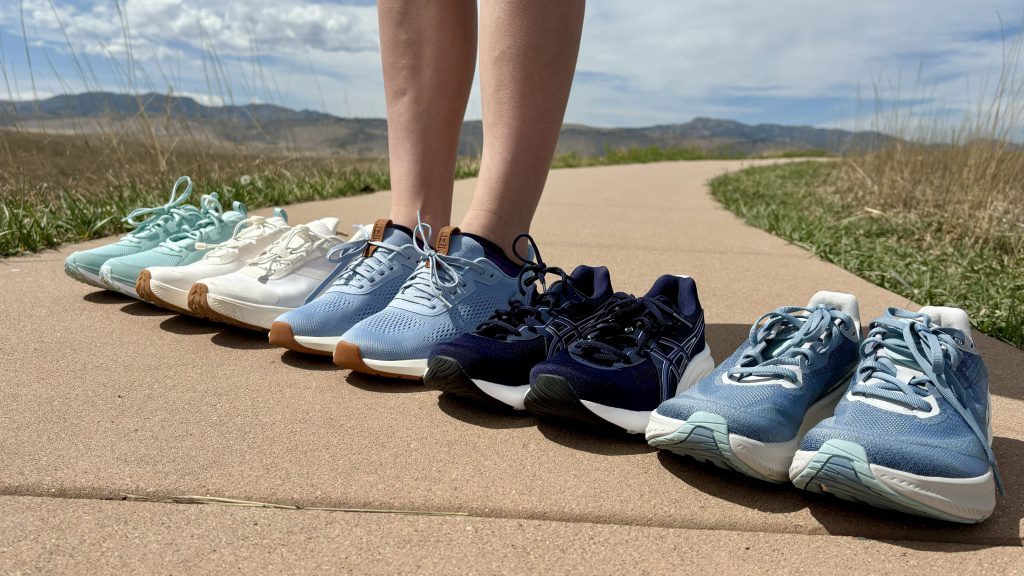
A good pair of walking shoes can make a significant difference when you spend hours exploring cities, visiting attractions, or walking through airports.
Choose shoes that fit properly and have already been worn comfortably before your trip. Depending on your itinerary, you may also need sandals, formal shoes, or hiking footwear.
Avoid taking brand-new shoes on a trip without testing them first, as they may cause blisters or discomfort. Pack socks that suit your footwear and the weather.
5. Toiletry Bag and Personal Care Products
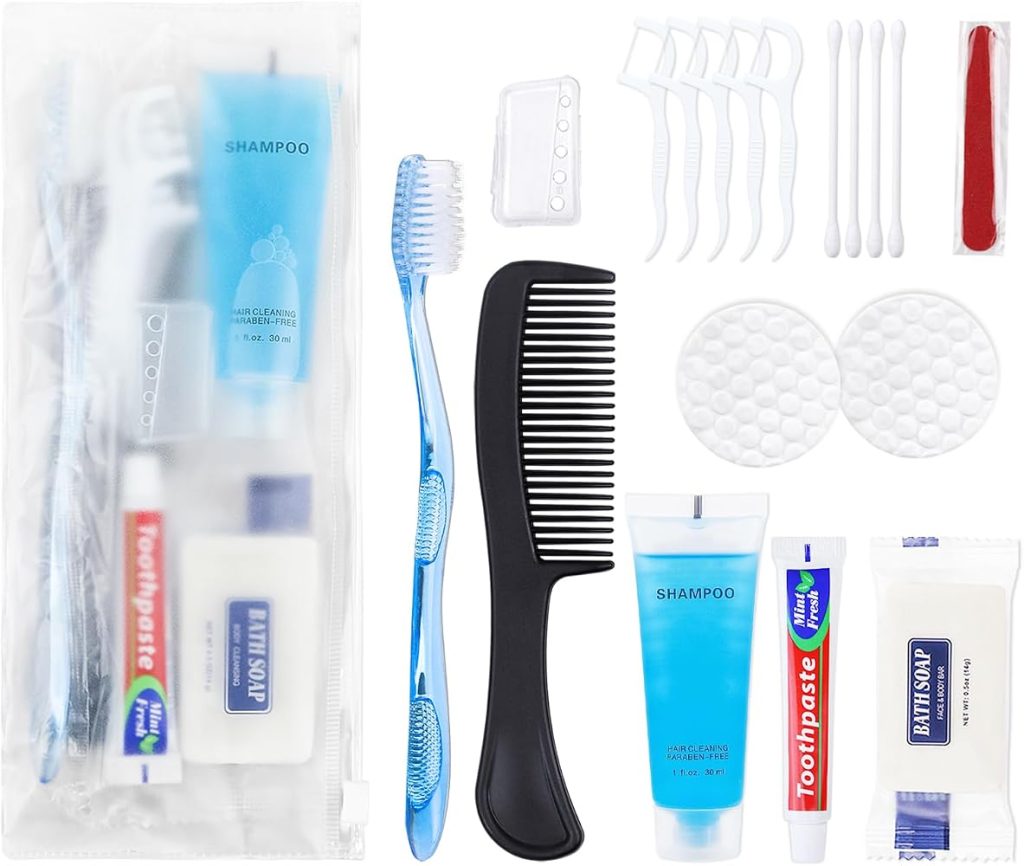
A toiletry bag keeps personal care products together and prevents small items from getting lost in your luggage.
Consider packing a toothbrush, toothpaste, shampoo, conditioner, soap, deodorant, hairbrush, skincare products, and other personal necessities. Travel-sized containers can save space, especially for short trips.
If you are flying, check the current liquid restrictions for your departure airport and airline. Keep toiletries securely closed to prevent leaks, and place liquids in a suitable waterproof pouch.
6. Reusable Water Bottle
Staying hydrated is important during flights, road trips, sightseeing, and outdoor activities. A reusable water bottle makes it easier to carry drinking water and can reduce your reliance on disposable plastic bottles.
Choose a lightweight bottle that fits comfortably in your bag. An insulated bottle may help maintain the temperature of your drink for longer.
When flying, check airport security rules and carry your bottle empty through security if required. You can refill it afterward where safe drinking water is available.

7. Phone Charger and Charging Cable
Your smartphone can help you access boarding passes, maps, hotel details, translation tools, and emergency contacts. A suitable charger and charging cable help keep your device ready when you need it.
Before leaving home, confirm that your charging cable works properly and that your charger is compatible with your device and destination.
If you are traveling internationally, check the local electrical socket type and voltage requirements. You may need a compatible plug adapter or voltage converter for certain devices.

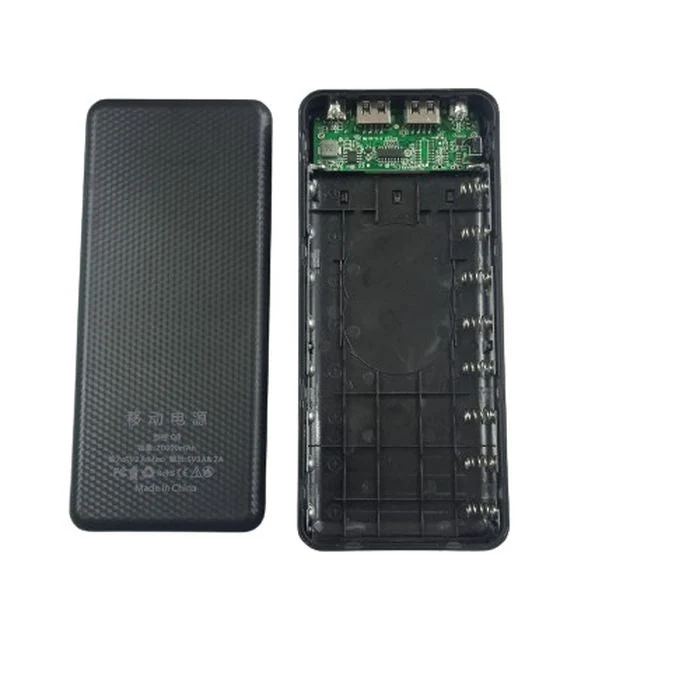
8. Power Bank
A power bank can be useful when you spend a long day sightseeing or traveling between destinations without convenient access to electrical outlets.
Choose a power bank with a capacity that suits your phone and travel needs. Charge it before departure and check its condition before placing it in your bag.
Airlines commonly require spare lithium batteries and power banks to be carried in cabin baggage rather than checked luggage. Capacity limits and approval requirements vary, so check your airline’s current rules before flying.
9. Travel First-Aid Kit
A small first-aid kit can help you manage minor problems during your journey. Useful items may include adhesive bandages, sterile gauze, antiseptic wipes, and other basic supplies appropriate for your needs.
You may also want to bring personal medications in their original packaging, together with prescriptions or supporting documentation when necessary.
Check medication rules for your destination, especially when traveling internationally. A first-aid kit is helpful for minor issues, but serious injuries or severe symptoms require professional medical attention.

10. Travel Pillow and Eye Mask
Long flights, bus rides, and train journeys can be tiring, especially when you struggle to rest in unfamiliar surroundings.
A supportive travel pillow can make sitting for long periods more comfortable. An eye mask can help reduce unwanted light during naps or overnight travel.
Choose lightweight, easy-to-clean products that fit into your personal bag. Earplugs may also help reduce surrounding noise, provided you can still hear important announcements and safety instructions.

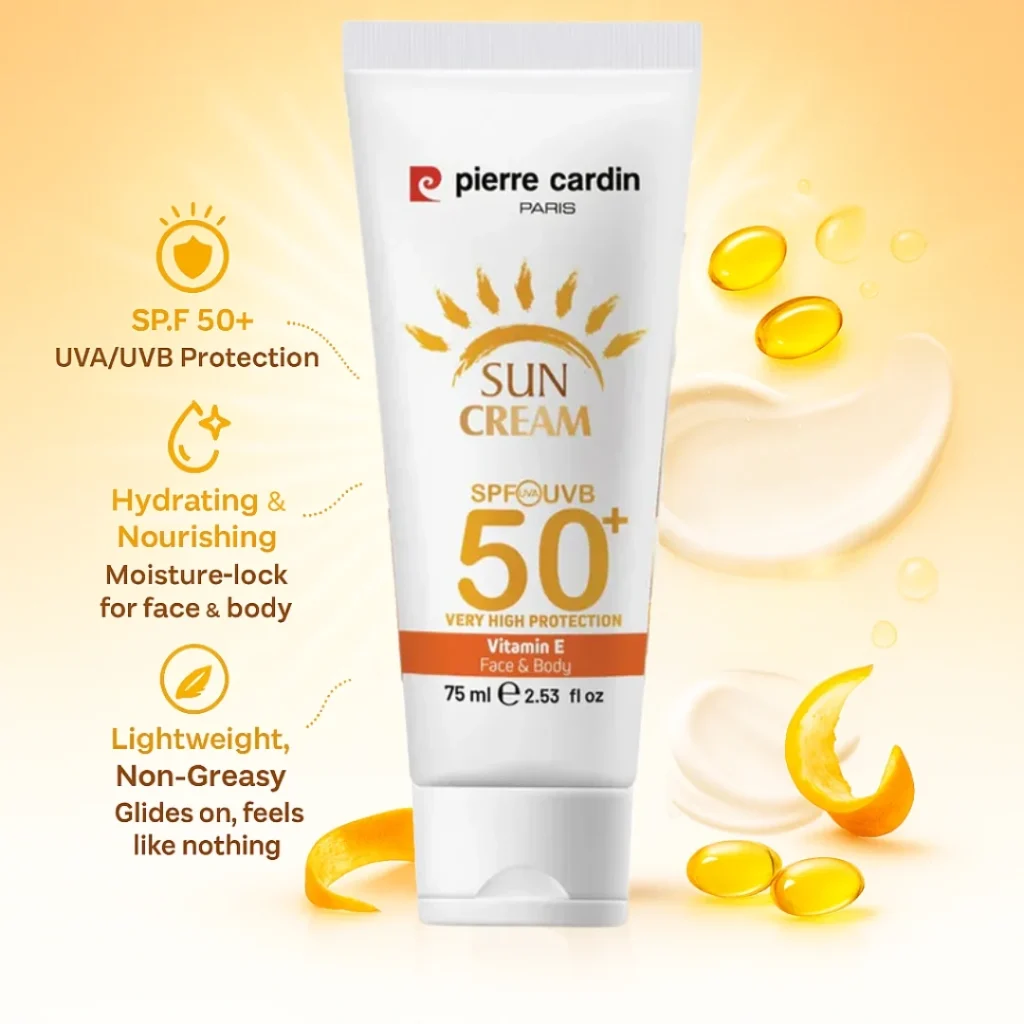
11. Sunscreen and Sun Protection
Sun protection is important when visiting beaches, walking outdoors, hiking, or exploring destinations with strong sunlight.
Pack a broad-spectrum sunscreen with an appropriate SPF, along with sunglasses and a hat. Reapply sunscreen according to its label, particularly after swimming or sweating.
For longer outdoor activities, seek shade when possible and wear protective clothing. Remember that sun protection may be necessary even on cloudy days.
12. Packing Cubes and Organizers
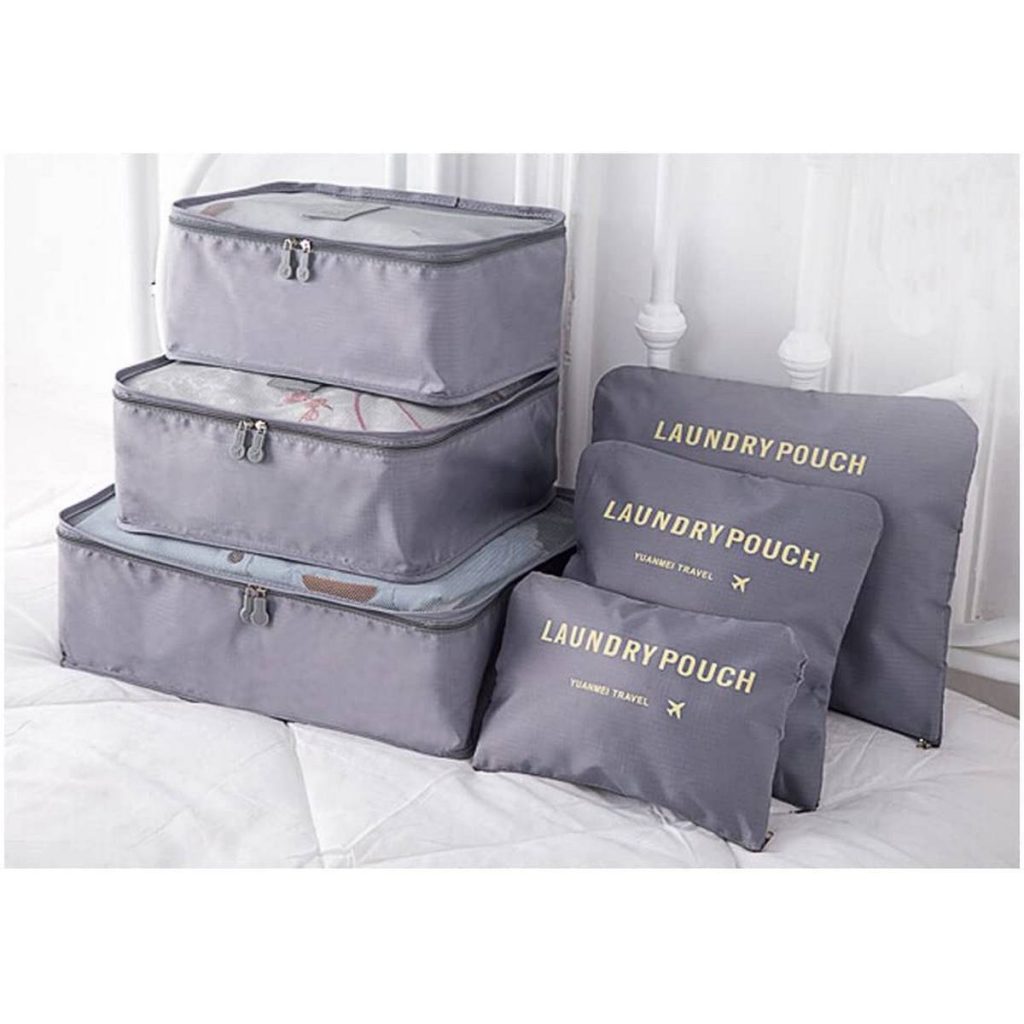
Packing cubes help divide your belongings into separate categories, such as tops, trousers, underwear, and accessories.
These organizers make it easier to locate specific items without unpacking your entire suitcase. They can also help keep clean clothes separate from worn clothing.
Choose cubes in different sizes according to your luggage. Avoid overfilling them, because tightly packed organizers can make your bag heavier and more difficult to close.
13. Travel Wallet and Money
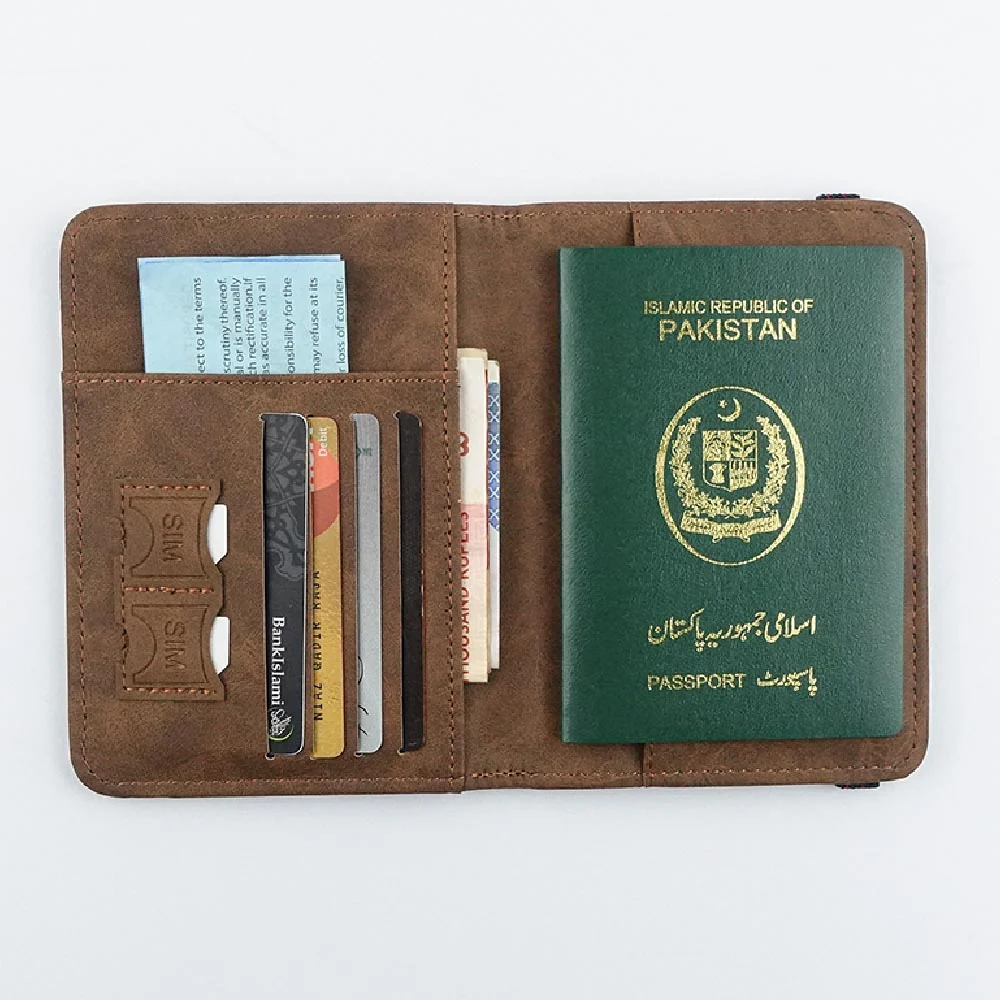
A travel wallet can help you organize cash, bank cards, identification, and other small essentials. Keeping these items together makes them easier to access when paying for transport, meals, or shopping.
Carry more than one suitable payment method when possible, and store backup cash separately from your main wallet. Inform your bank about international travel if required by its policies.
Use secure payment methods, protect your PIN, and avoid displaying large amounts of cash in public. Keep your wallet in a secure location, particularly in crowded tourist areas.
14. Weather-Appropriate Jacket or Raincoat
Weather can change unexpectedly, so a suitable outer layer is a useful addition to many packing lists.
A lightweight waterproof jacket can help during rainy days, while a warm coat is necessary for colder destinations. For humid or tropical climates, a breathable raincoat may be more comfortable than a heavy jacket.
Check the weather forecast before departure and consider the conditions expected during your activities. Choosing a versatile layer can help you stay prepared without filling your luggage with unnecessary clothing.

15. Travel-Sized Laundry Bag
A separate laundry bag helps keep worn clothes away from clean outfits. This is particularly useful during longer holidays, road trips, and vacations involving multiple hotels.
Choose a lightweight, washable bag that takes up little space. A breathable design can be helpful for temporarily storing worn clothing.
For wet swimwear, use a separate waterproof pouch and avoid leaving damp clothing sealed for extended periods.

16. Hand Sanitizer and Wet Wipes
Hand sanitizer and wet wipes are convenient for situations where soap and water are not immediately available.
They can be useful during public transportation, outdoor activities, and busy sightseeing days. Select products that are appropriate for your needs and follow the manufacturer’s instructions.
Hand sanitizer does not replace washing your hands with soap and water when that option is available, particularly when hands are visibly dirty.

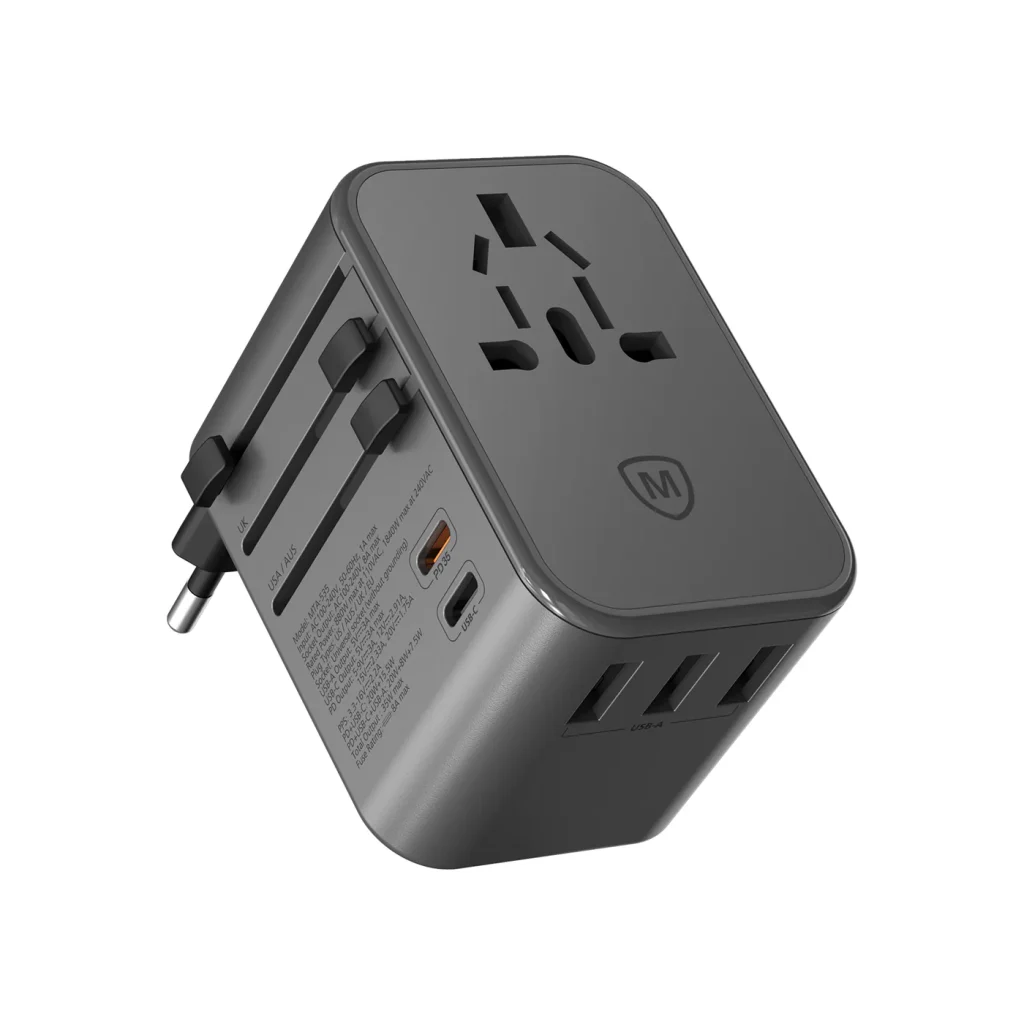
17. Travel Adapter
A travel adapter can help you connect compatible electronic devices to different electrical socket types when visiting another country.
Before your trip, identify the plug type used at your destination and check whether your charger supports the local voltage. An adapter changes the plug connection, but it does not automatically convert voltage.
If your device does not support the local electrical supply, you may need a suitable voltage converter. Check the device label and manufacturer guidance before plugging it in.
18. Offline Maps and Travel Information
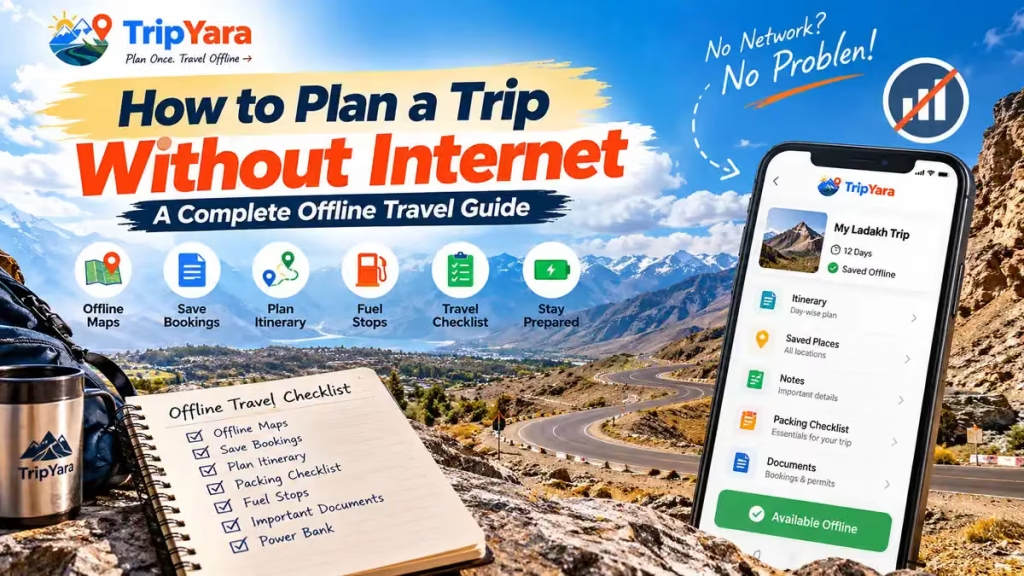
Digital travel tools can make exploring unfamiliar destinations easier. Before leaving your hotel or home, download offline maps where the service supports them.
Save your accommodation address, transport information, reservation details, and important contact numbers. A small written backup of essential information can also be useful if your phone battery runs out.
Research local transport options and basic destination rules in advance. Offline information is especially helpful in areas with unreliable mobile internet access.
19. Neck Pouch or Secure Travel Bag
A secure travel bag can help you carry essential belongings while sightseeing or using public transportation.
Choose a comfortable bag with secure closures and enough space for your phone, wallet, identification, and other daily necessities. Anti-theft features may provide additional protection, but no bag is completely theft-proof.
Keep valuables out of easy reach of strangers and avoid placing important documents in an unsecured outer pocket. Use hotel safes where appropriate and available.

20. Small Notebook and Pen
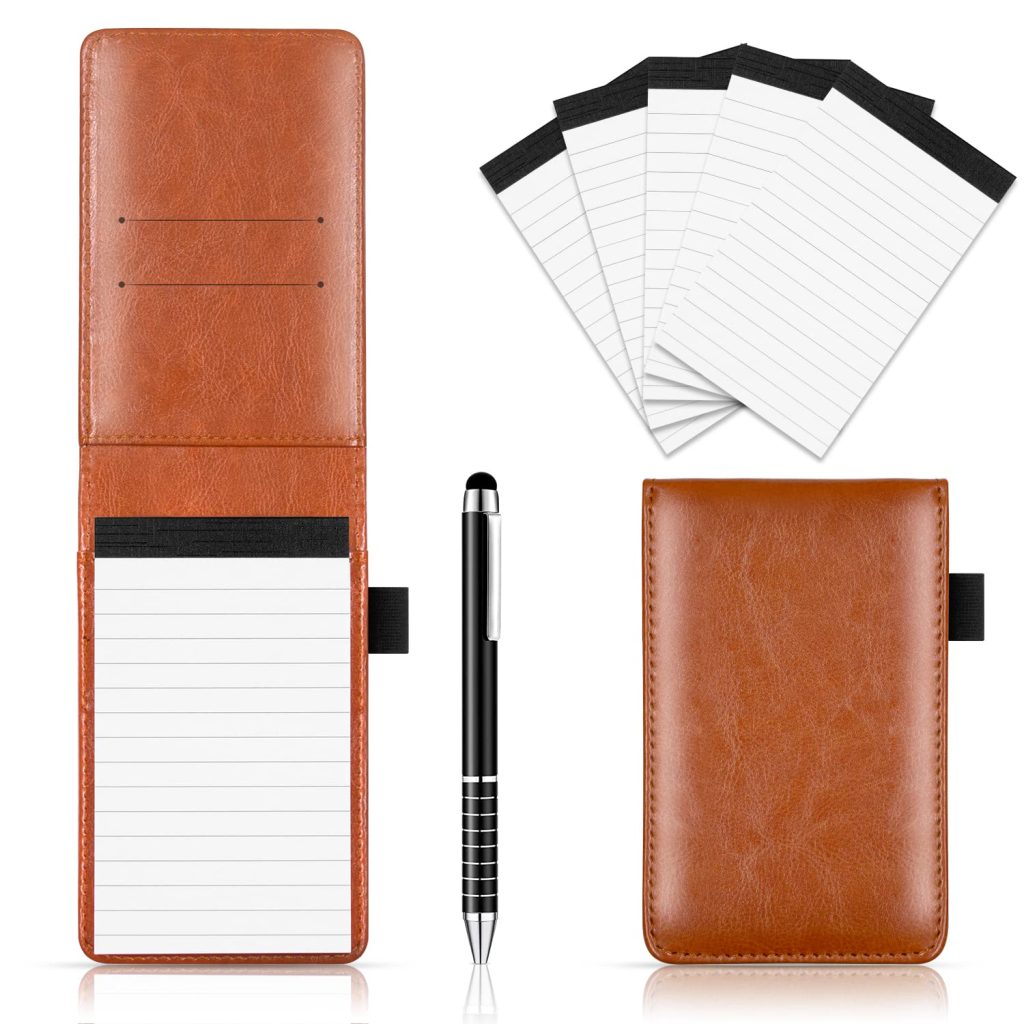
A notebook and pen may seem old-fashioned, but they can be useful when traveling. You can record directions, important phone numbers, expenses, reservation details, or memorable experiences.
A notebook is also helpful when you want to write down recommendations from local residents or create a simple daily itinerary.
Choose a small, lightweight notebook that fits into your personal bag. If you prefer digital notes, make sure your important information is available offline when necessary.
Travel Essentials Packing Checklist
Use the following table to organize your packing and check whether you have prepared the most important items for your journey.
| Travel Essential | Main Purpose | Priority |
|---|---|---|
| Passport and identification | Travel verification | Essential |
| Backpack or suitcase | Carrying belongings | Essential |
| Comfortable clothing | Daily comfort | Essential |
| Walking shoes | Exploring destinations | Essential |
| Toiletry bag | Personal hygiene | Essential |
| Reusable water bottle | Carrying drinking water | High |
| Phone charger | Charging devices | Essential |
| Power bank | Backup device charging | High |
| First-aid kit | Minor health needs | High |
| Travel pillow | Rest during transit | Optional |
| Sunscreen and sunglasses | Sun protection | High |
| Packing cubes | Luggage organization | Optional |
| Travel wallet | Organizing money and cards | Essential |
| Jacket or raincoat | Weather protection | High |
| Laundry bag | Separating worn clothes | Optional |
| Hand sanitizer and wipes | Personal hygiene | High |
| Travel adapter | Connecting compatible devices | Destination-dependent |
| Offline maps | Navigation without internet | High |
| Secure travel bag | Carrying daily essentials | High |
| Notebook and pen | Notes and backup information | Optional |
Packing priorities depend on your destination, travel duration, personal needs, and planned activities.
How to Pack Travel Essentials Without Overpacking
Packing efficiently helps you avoid unnecessary luggage and makes your journey more comfortable. Follow these practical tips when preparing your suitcase.
Make a Packing List in Advance
Write down everything you expect to need before placing items in your luggage. Divide the list into categories such as clothing, documents, electronics, toiletries, and personal necessities.
Check each item as you pack it. Preparing your list several days before departure gives you time to buy anything missing.
Choose Versatile Clothing
Select clothing that can be combined into multiple outfits. Neutral colors, comfortable layers, and lightweight fabrics often make packing easier.
Instead of carrying a different outfit for every possible occasion, plan your clothing around the activities you expect to enjoy.
Use Every Part of Your Luggage Carefully
Packing cubes and small organizers can help you use your luggage space efficiently. Place heavier items near the bottom of a wheeled suitcase and keep frequently needed belongings accessible.
Avoid filling every available space simply because it exists. Leaving some room can make it easier to organize souvenirs or other purchases during your return journey.
Check Baggage Restrictions Before Flying
Airlines may have different rules for cabin baggage, checked luggage, liquids, batteries, and restricted items.
Review the rules that apply to your specific flight before packing. Keep essential documents and permitted valuables in your cabin bag, and never pack prohibited items just because they appear on a general travel checklist.
Prepare a Small Personal Bag
Keep the items you may need during transit in a small, accessible bag. Depending on your journey, this could include travel documents, a phone, a charger, essential medication, a water bottle after security, and a light layer of clothing.
Keeping these belongings nearby can save you from opening your main suitcase whenever you need something.
Travel Essentials for Different Types of Trips
Not every journey requires the same packing list. Your destination, activities, and Travel Essentials duration should determine which additional items you bring.
Essentials for International Travel
International trips may require a valid passport, a visa where applicable, travel insurance information, suitable plug adapters, and destination-specific documentation.
Check entry requirements, customs rules, medication restrictions, and airline baggage policies before departure. Requirements can vary depending on your nationality and destination.
Essentials for Family Vacations
Family travel often requires additional clothing, snacks, personal care products, and items suitable for children or older family members.
Create a separate checklist for each traveler so that individual needs are not overlooked. If you are traveling with children, confirm that required identification and travel permissions are prepared.
Essentials for Adventure Travel
Adventure trips may require hiking shoes, weather-resistant clothing, navigation tools, a suitable first-aid kit, and activity-specific equipment.
Research the conditions of your chosen activity before packing. For hiking or remote travel, consider whether you need emergency communication equipment or additional supplies recommended by local guides.
Essentials for Weekend Getaways
Short trips usually require fewer belongings. Pack a small bag with versatile clothing, essential toiletries, chargers, identification, and any items required for your planned activities.
A simple packing list can help you avoid carrying a large suitcase for a short holiday.
Common Travel Packing Mistakes to Avoid
Even experienced travelers can forget important items or pack more than they need. Avoid these common mistakes to make your trip easier.
- Packing too many clothes: Choose versatile outfits that match your destination and itinerary.
- Forgetting travel documents: Check passport validity, visa requirements, and reservation details before leaving.
- Ignoring the weather: Review the forecast and pack suitable layers or rain protection.
- Forgetting chargers: Check your electronic devices and charging accessories before departure.
- Carrying unnecessary valuables: Bring only what you need and store important belongings securely.
- Ignoring baggage rules: Check weight limits and restrictions for liquids, batteries, and other items.
- Packing medication without checking regulations: Verify that your medication is permitted at your destination and carry supporting documentation when needed.
Frequently Asked Questions (FAQs)
1. What are the most important travel essentials?
The most important travel essentials usually include travel documents, identification, suitable luggage, comfortable clothing, walking shoes, personal care products, money or payment cards, a phone charger, and any necessary medication. Your exact list depends on your destination and travel plans.
2. How do I prepare a travel essentials checklist?
Start by identifying your destination, travel dates, weather conditions, and planned activities. Divide your checklist into documents, clothing, toiletries, electronics, health items, and accessories. Review the list before departure and check off each item as you pack.
3. What should I pack for a three-day trip?
For a three-day trip, pack a few coordinated outfits, underwear, socks, comfortable shoes, essential toiletries, chargers, identification, payment methods, and any necessary medication. Add a jacket or activity-specific items according to the weather and your itinerary.
4. How can I pack light for a vacation?
Choose versatile clothing, limit duplicate items, use travel-sized toiletries where practical, and select lightweight accessories. Make a packing list and remove anything that does not support your planned activities or essential needs.
5. Are travel essentials different for international trips?
Yes. International trips may require passports, visas, entry documents, travel insurance information, electrical adapters, and additional preparation for local laws and customs. Check the official requirements for your destination before departure.
6. Should I carry a power bank while traveling?
A power bank can be helpful when you use your phone for navigation, tickets, photographs, or communication throughout the day. If flying, check airline restrictions regarding battery capacity and carry-on requirements before packing it.
7. What should I keep in my carry-on bag?
Keep required travel documents, permitted valuables, essential medication, a phone and charger, and other items you may need during transit in your carry-on bag. Follow airline and airport rules for liquids, batteries, and restricted items.
8. How early should I start packing for a trip?
For a typical vacation, starting your packing checklist several days in advance is a good idea. For international travel or specialized activities, begin earlier so you have enough time to arrange documents, confirm requirements, and purchase missing equipment.
Conclusion
Preparing the right travel essentials can make every journey more comfortable, organized, and enjoyable. From travel documents and suitable luggage to comfortable clothing, personal care products, electronic accessories, and safety items, each belonging can help you handle different travel situations with greater confidence.
The key is to pack according to your destination, weather, travel duration, and planned activities rather than carrying unnecessary items. A thoughtful checklist helps you save space, avoid last-minute stress, and focus on enjoying your experience.
Before your next adventure, review these 20 must-have travel essentials, confirm your travel arrangements, and organize your luggage carefully. With the right preparation, you can spend less time worrying about what you forgot and more time discovering new places and creating wonderful memories.
For more travel inspiration, practical packing advice, destination guides, and helpful travel tips, keep exploring Travel Aura Now and make every journey a better experience.Meta Description: Discover 20 must-have travel essentials for every traveler, from packing organizers and travel documents to comfort items and safety accessories for a stress-free trip.