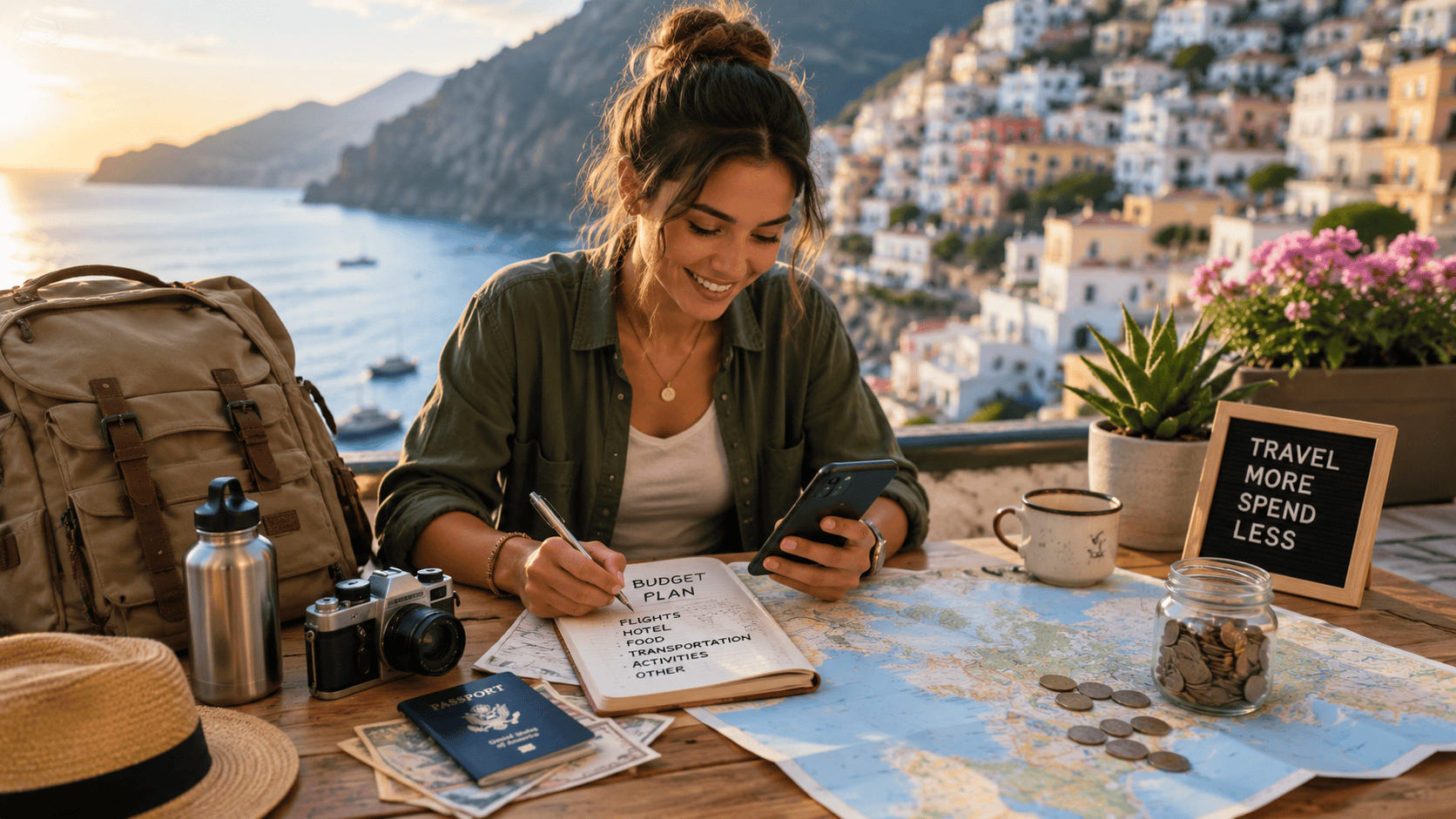
Traveling on a budget made easy! Discover 15 smart tips to save money on flights, hotels, food, transportation, and activities without missing out.
Budget constraints often discourage people from traveling as much as they’d like. However, with careful planning and informed decisions, it is possible to significantly reduce travel expenses without compromising on experience. This article outlines 15 practical strategies covering flights, accommodation, food, and activities that can help travelers make the most of their budget on any trip.
Why Traveling on a Budget Is a Smart Choice
Explain why budget travel is a good idea. With proper planning, travelers can reduce unnecessary expenses and enjoy a great trip without spending too much money.

How to Create a Travel Budget
Explain how to set a budget before the trip. Travelers should estimate costs for flights, accommodation, food, transportation, activities, and other expenses.

Choose Affordable Travel Destinations
Explain that some destinations are cheaper than others. Choosing affordable places can help travelers save money on hotels, food, transportation, and activities.

Book Cheap Flights and Save Money
Talk about comparing flight prices before booking. Flexible travel dates and checking different airlines can help travelers find better prices.

Find Budget-Friendly Accommodation
Explain different affordable accommodation options, such as budget hotels, hostels, and vacation rentals. Travelers should also compare prices, locations, and reviews.

Travel During the Off-Season
Explain how traveling during the off-season can reduce costs. Flights and accommodation may be cheaper, and popular destinations can also be less crowded.

Save Money on Food While Traveling
Explain how travelers can reduce food expenses by eating at local restaurants, avoiding expensive tourist areas, and choosing affordable meals.

Use Affordable Transportation Options
Explain how using public transportation, walking, or shared transportation can help reduce traveling costs compared with expensive private transportation.

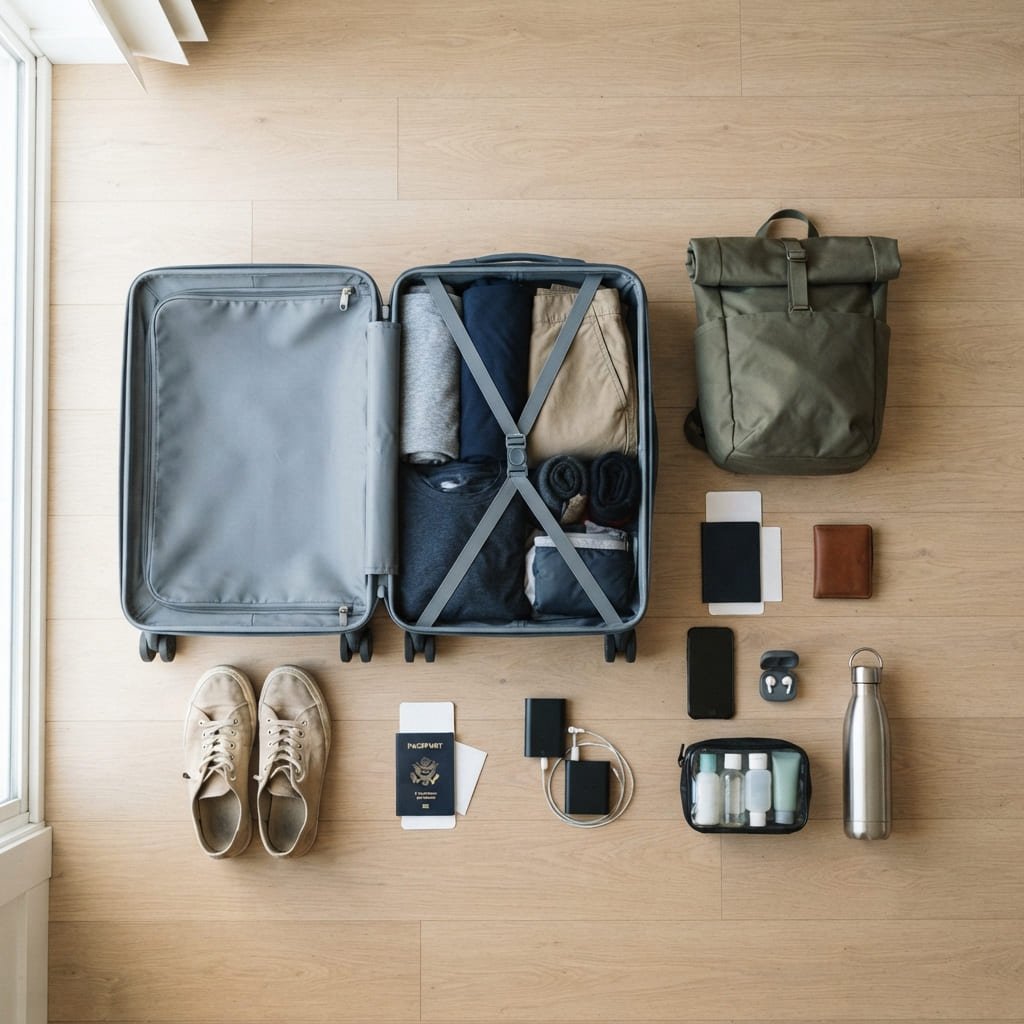
Pack Light to Reduce Travel Costs
Explain why packing only essential items can help travelers avoid extra baggage fees. Choosing versatile clothing can also make packing easier.
Look for Free Travel Activities
Explain that travelers do not need to spend money on every activity. Free parks, beaches, walking areas, public attractions, and free museum days can provide enjoyable experiences.

Use Travel Discounts and Deals
Explain how travelers can look for discounts, special offers, traveling passes, and package deals to reduce the cost of attractions, transportation, and accommodation.

Avoid Common Tourist Traps
Explain how some tourist areas can have unnecessarily expensive restaurants, shops, and services. Travelers can save money by comparing prices and looking for local recommendations.

Set a Daily Spending Limit
Explain why setting a daily spending limit is useful. Travelers can decide how much they want to spend each day on food, transportation, shopping, and activities.
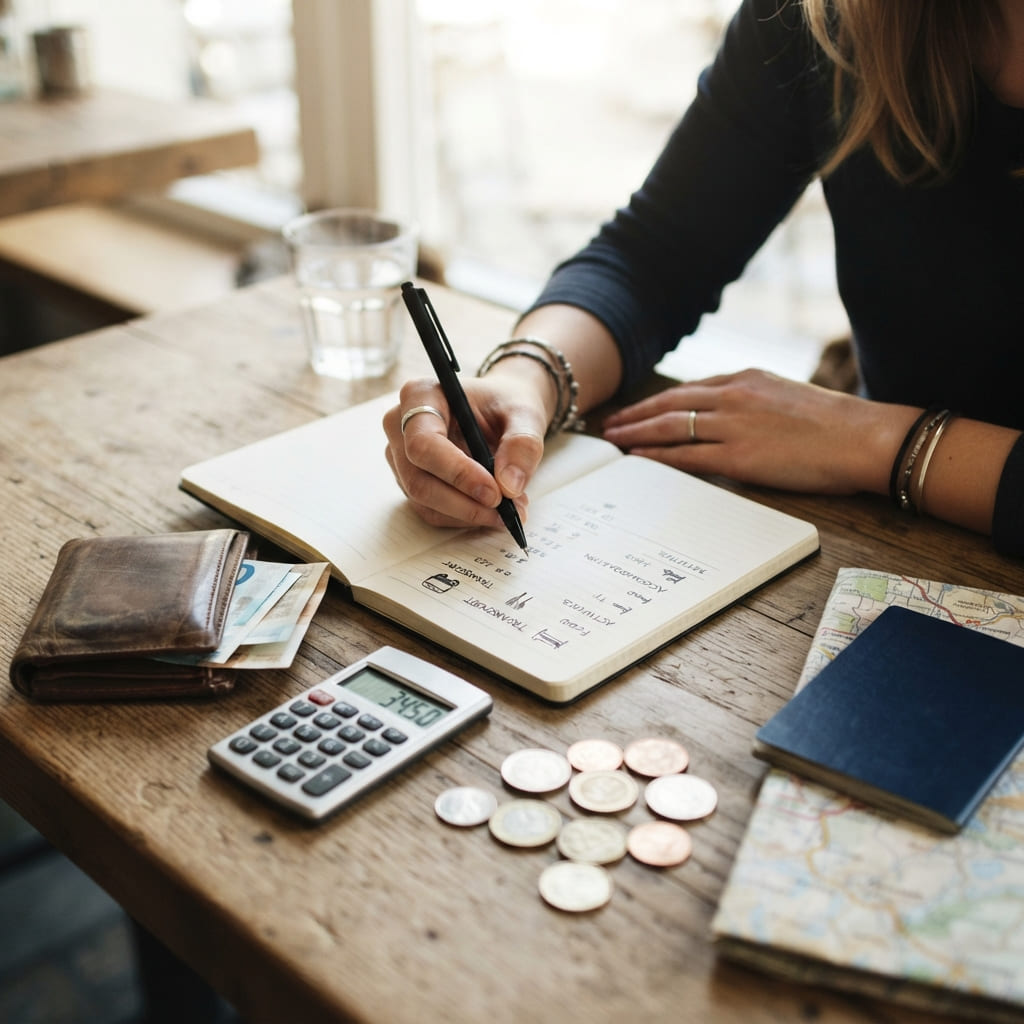
Smart Ways to Save Money on Every Trip
Bring together practical money-saving strategies such as planning ahead, comparing prices, using discounts, choosing affordable options, and avoiding unnecessary expenses.

Traveling on a Budget Without Missing Out
Explain that traveling on a budget does not mean missing all the fun. Travelers can focus their money on important experiences while cutting unnecessary costs. This helps them enjoy a memorable trip without overspending.

Frequently Asked Questions About Traveling on a Budget
1. What is the best way to travel on a budget?
The best way to travel on a budget is to plan ahead, compare prices, choose affordable accommodation, use public transportation, and set a daily spending limit. Booking at the right time and avoiding unnecessary expenses can also help keep your trip affordable.
2. How can I save money on flights?
To save money on flights, compare prices across different airlines, stay flexible with your travel dates, and consider traveling during less busy periods. Booking early can also help you find better fares.
3. How can I save money on hotels?
Compare different accommodation options before booking. Budget hotels, hostels, vacation rentals, and well-reviewed guesthouses can often provide good value. Also, consider location carefully because staying slightly outside a major tourist area may reduce costs.
4. How can I save money on food while traveling?
Eat at local restaurants instead of expensive tourist-focused restaurants. You can also save money by choosing affordable local meals, buying snacks from grocery stores, and avoiding restaurants in highly touristy areas.
5. Is traveling during the off-season cheaper?
Yes, traveling during the off-season can often reduce the cost of flights and accommodation. Many destinations are also less crowded during these periods, which can make the overall travel experience more enjoyable.
6. How can I reduce transportation costs while traveling?
Use public transportation, walk when practical, or consider shared transportation options. Planning your routes in advance can also help you avoid unnecessary taxi or private transportation costs.
7. How can I travel without spending too much money?
Create a realistic travel budget before your trip and divide it into categories such as transportation, accommodation, food, activities, and shopping. Focus your spending on experiences that matter most to you and avoid unnecessary purchases.
Conclusion
Traveling on a Budget: 15 Smart Tips to Save Money on Every Trip shows that you do not need to spend a fortune to enjoy a memorable adventure. By planning ahead, comparing prices, choosing affordable destinations and accommodation, using budget-friendly transportation, and taking advantage of free activities, you can significantly reduce your travel expenses.
The key is to spend wisely rather than simply spend less. Set a realistic daily budget, prioritize the experiences you value most, and avoid unnecessary costs along the way. With these simple strategies, traveling on a budget can help you explore more places, enjoy meaningful experiences, and make the most of every trip without overspending.